AD-1 Skyraider
Military History
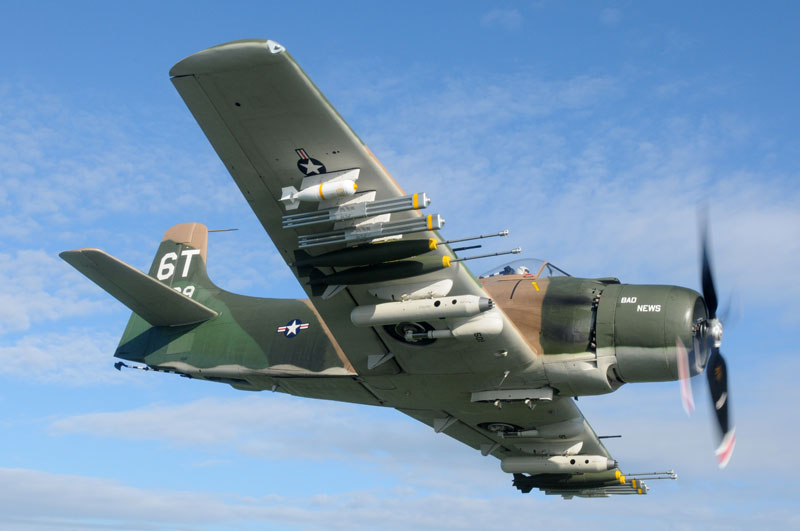
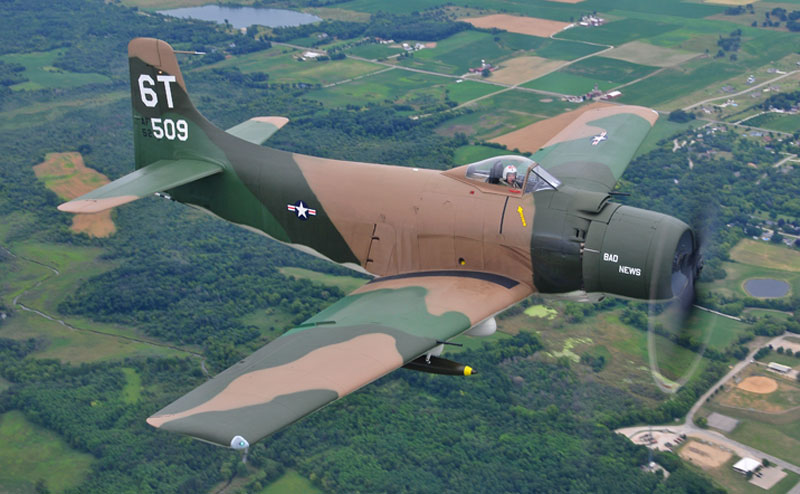
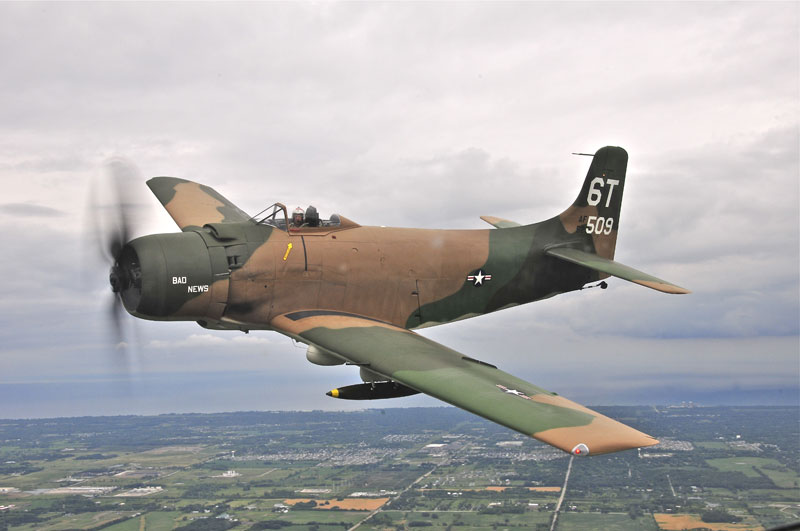
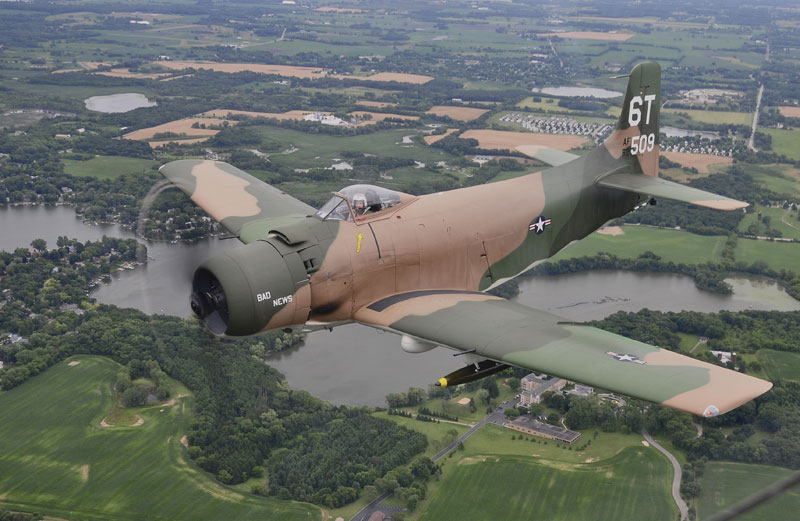
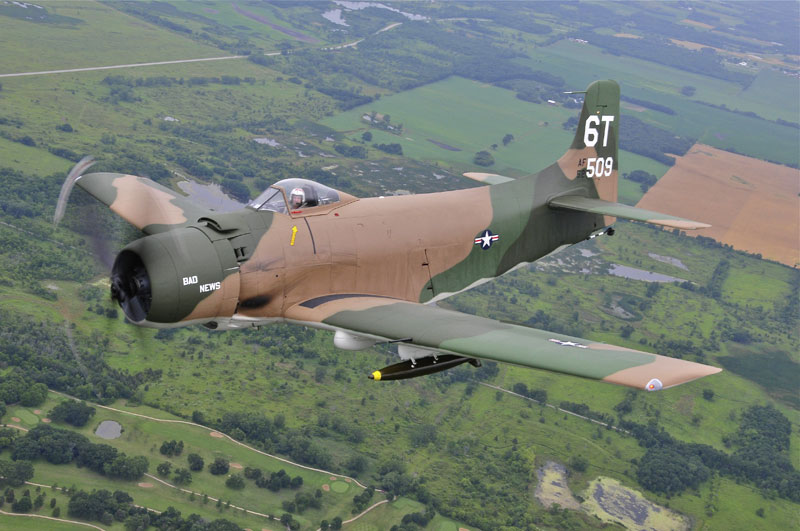
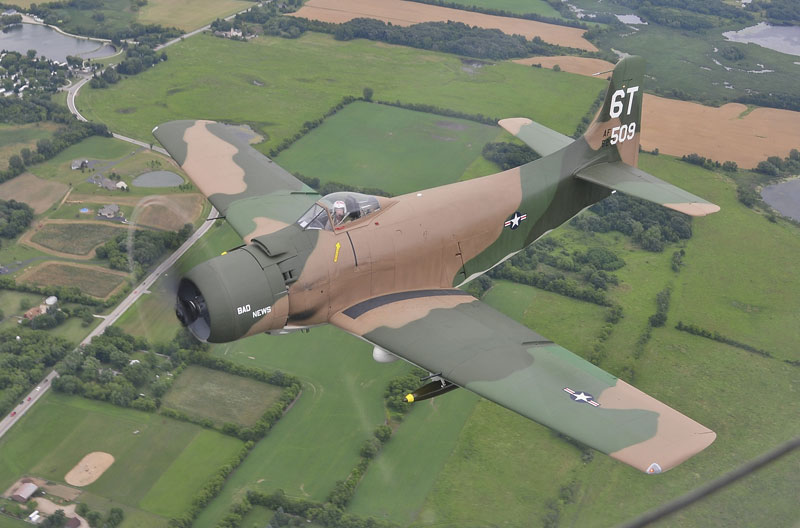
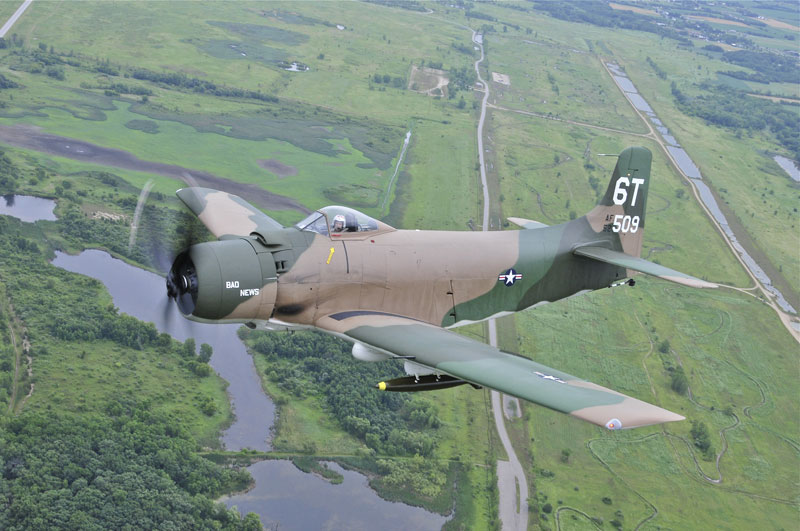
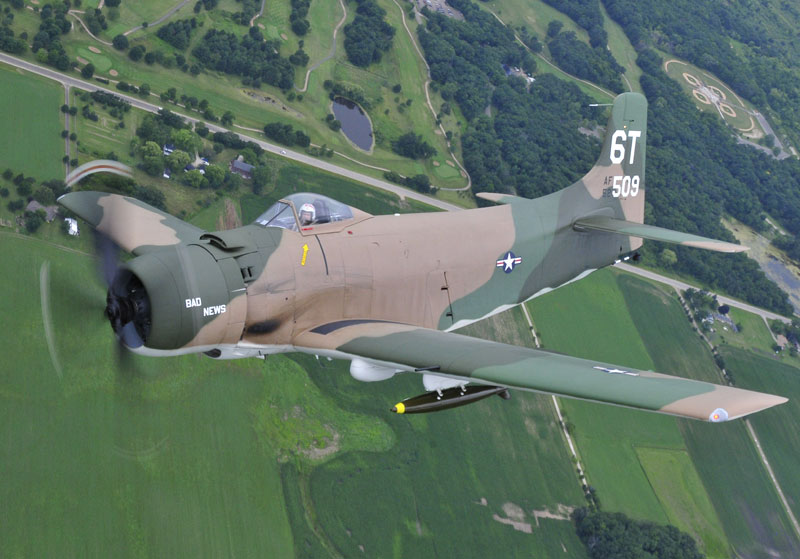
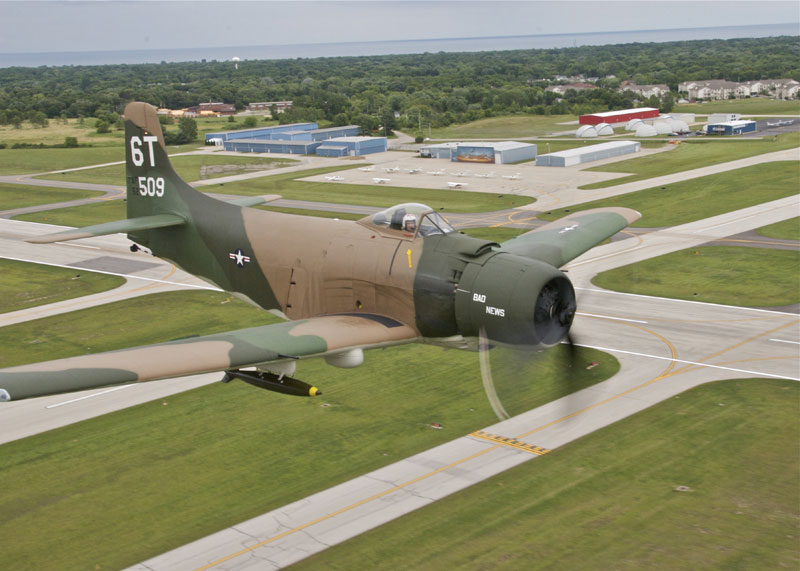
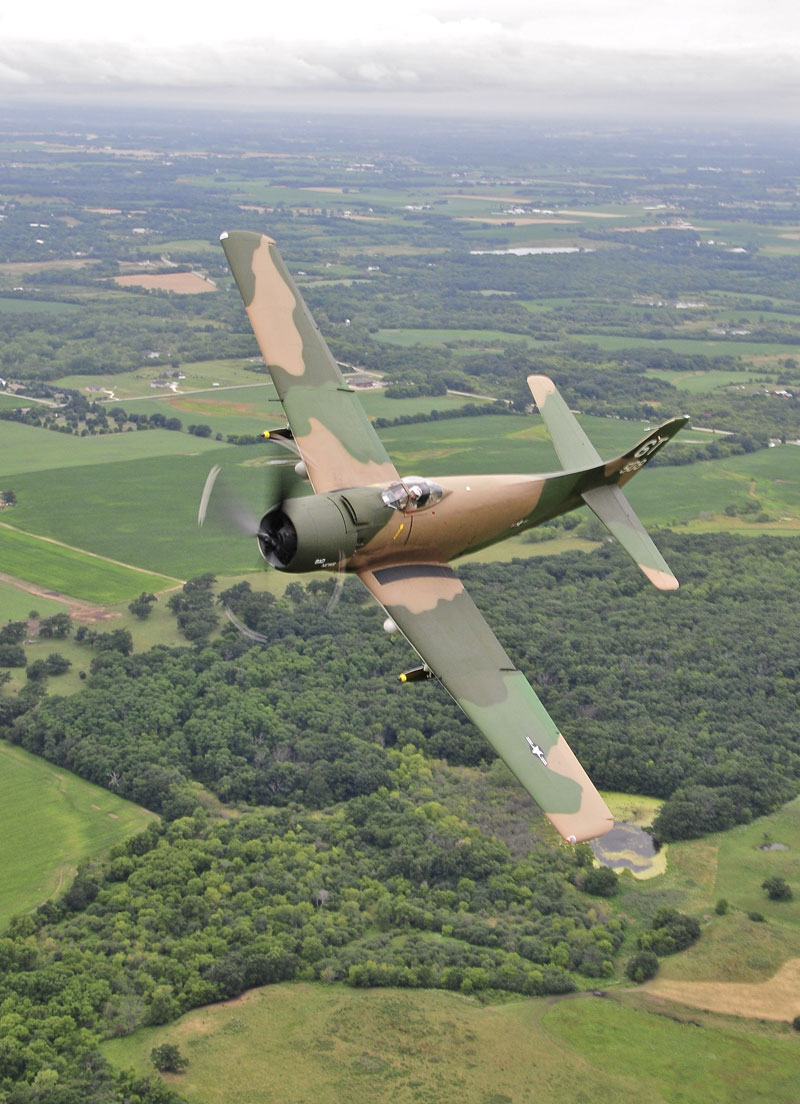
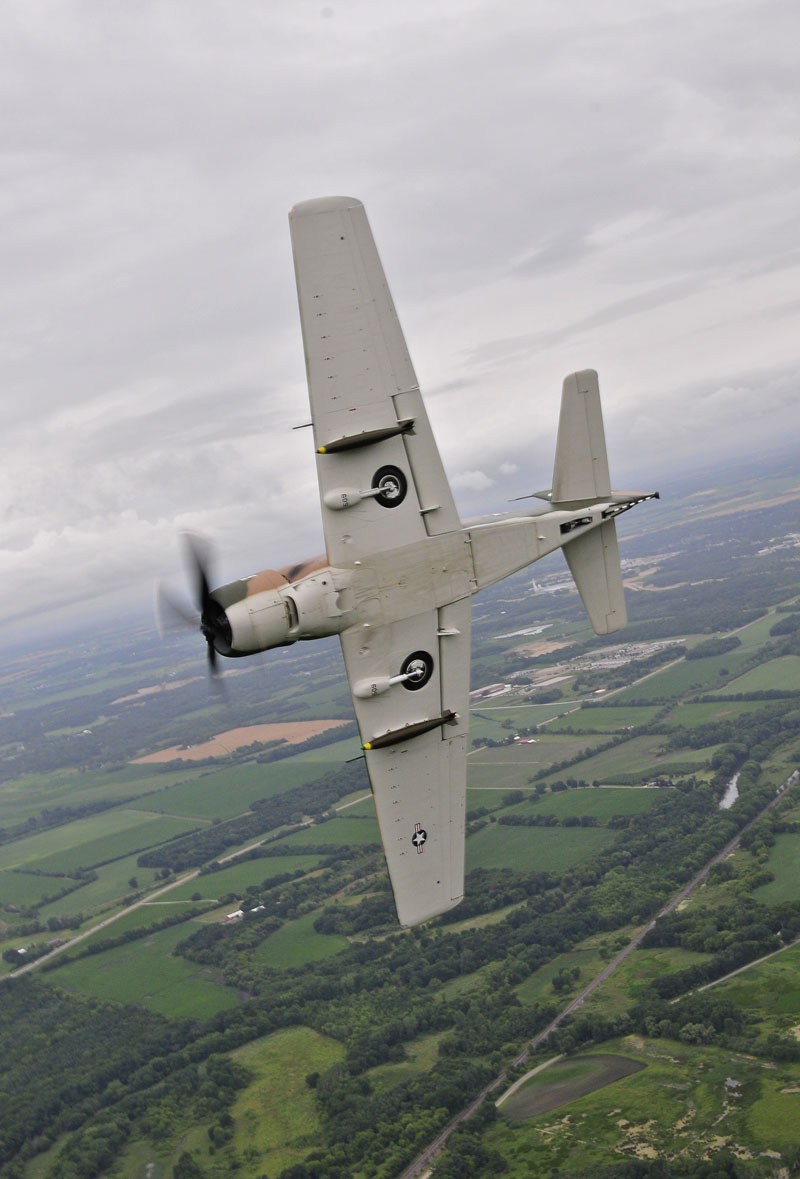
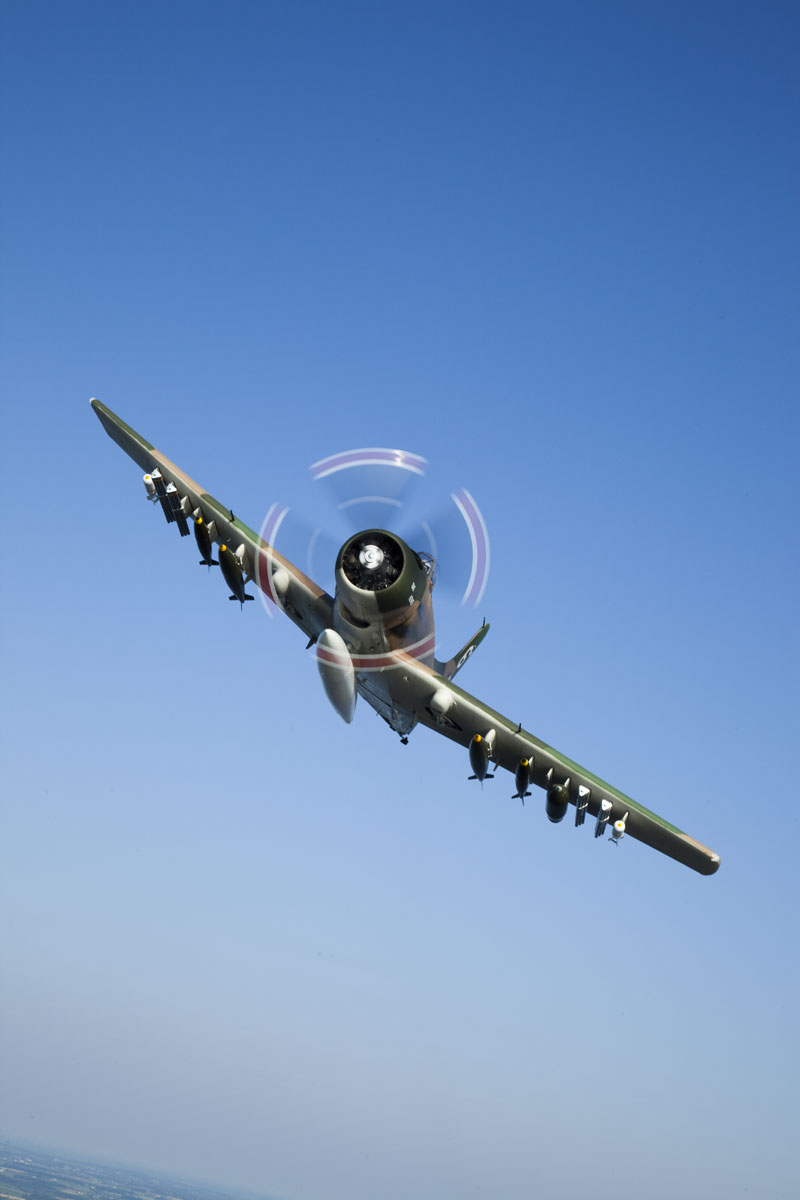
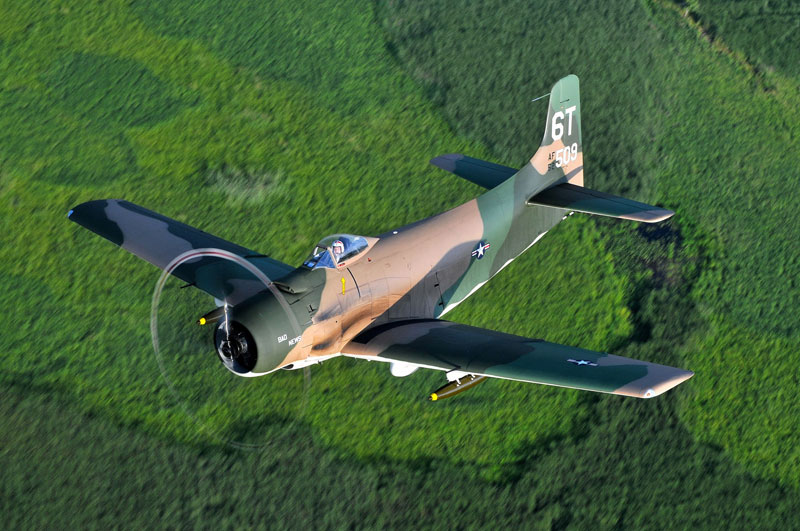
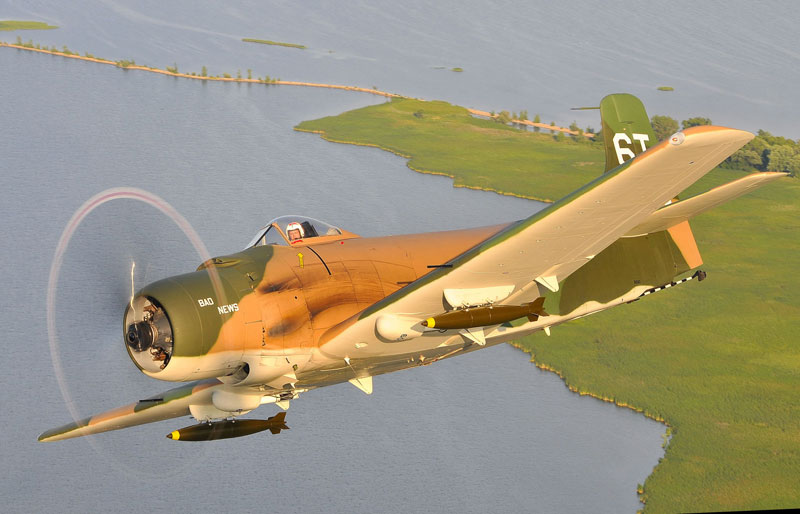
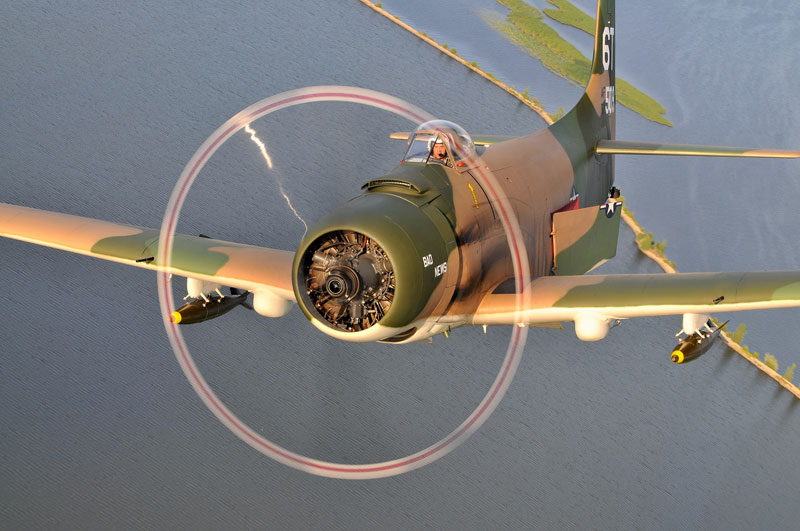
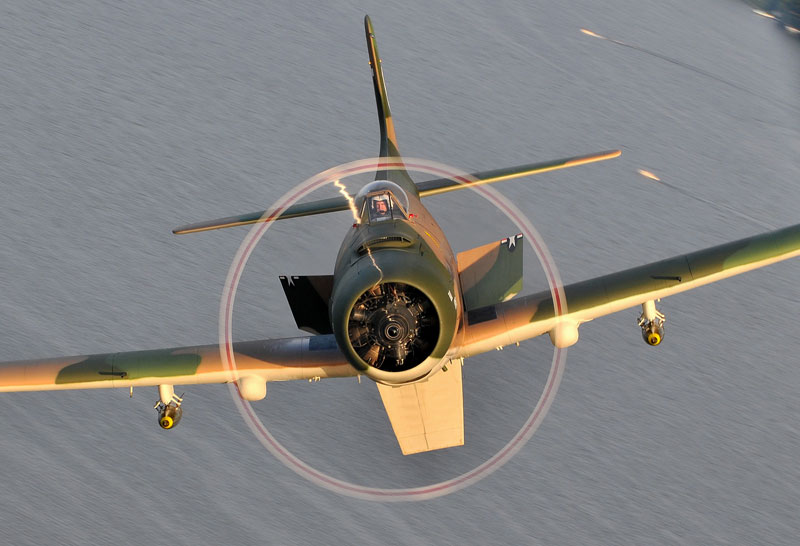
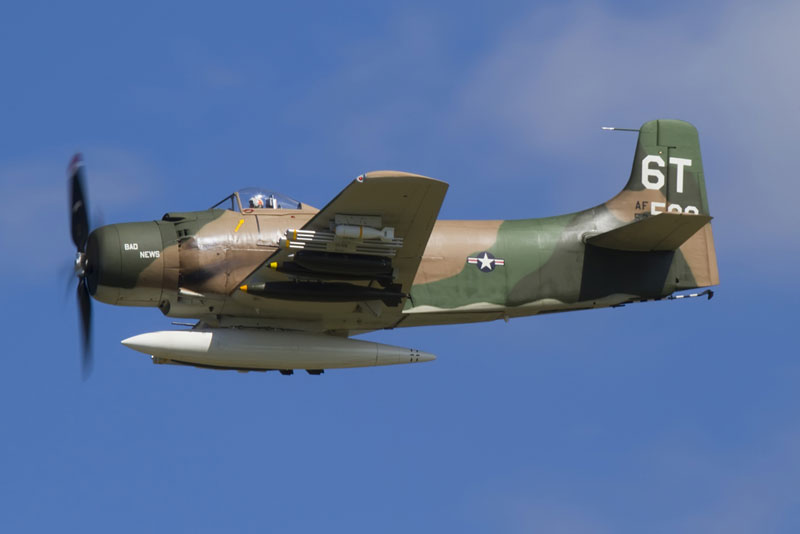
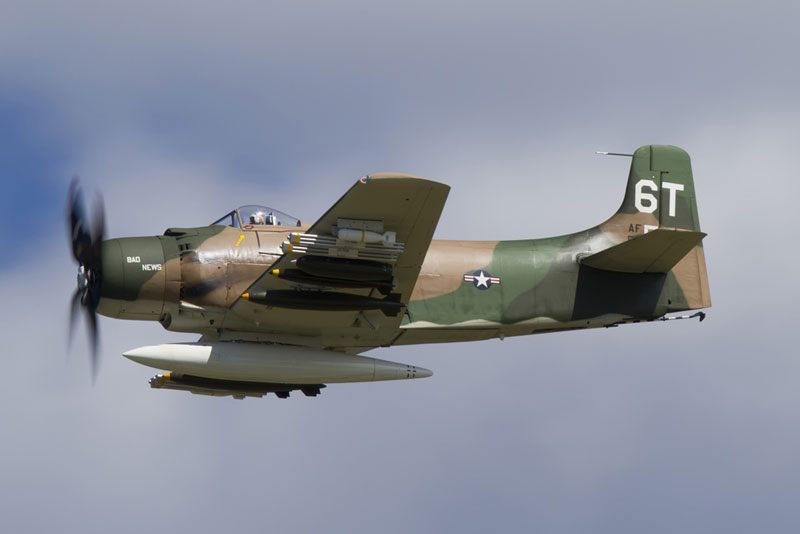
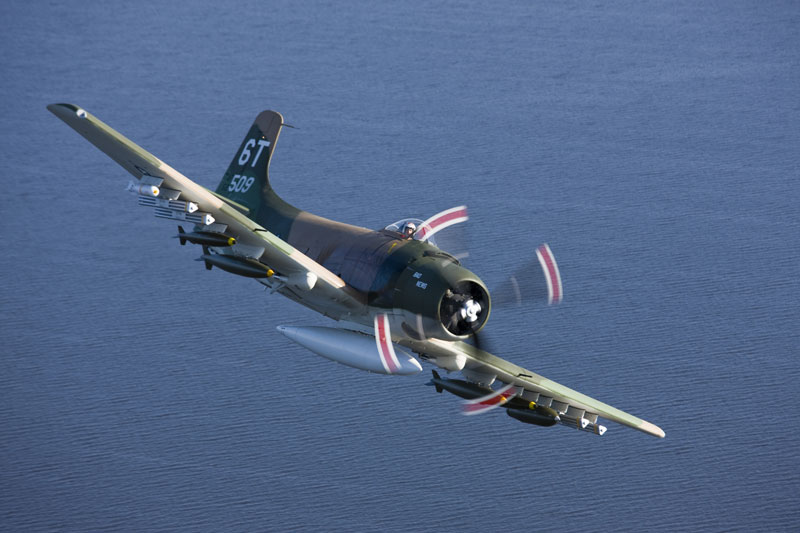
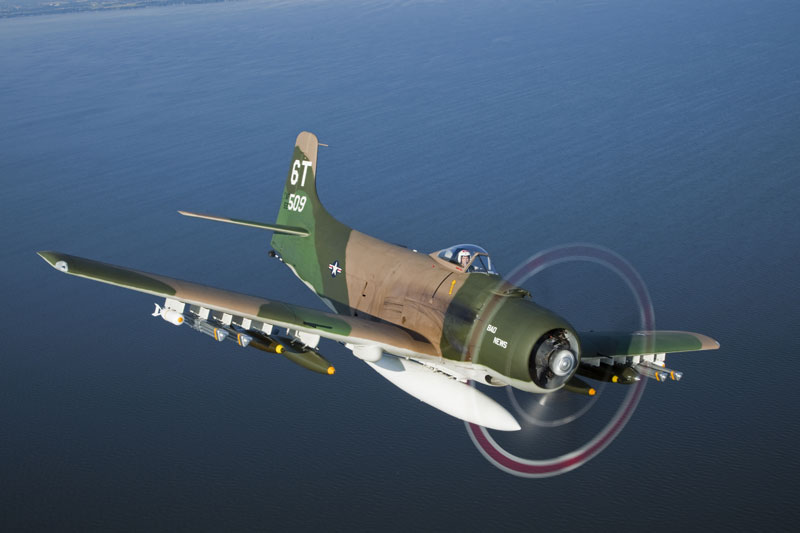
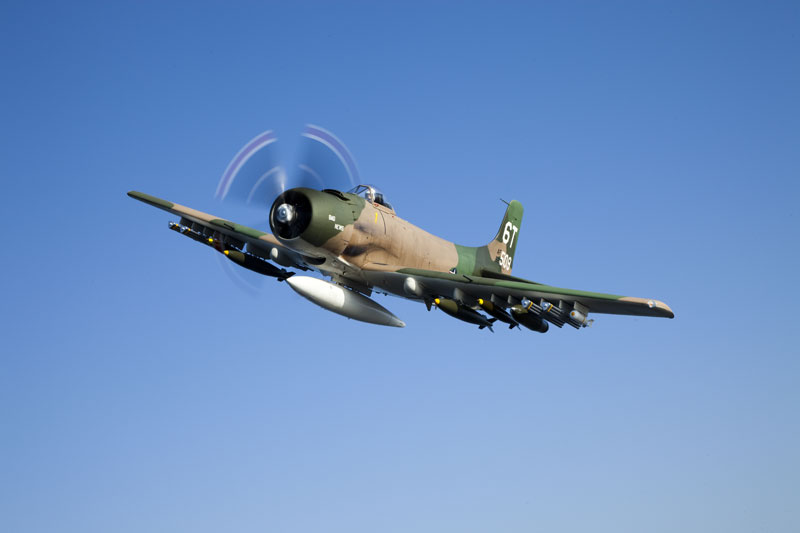
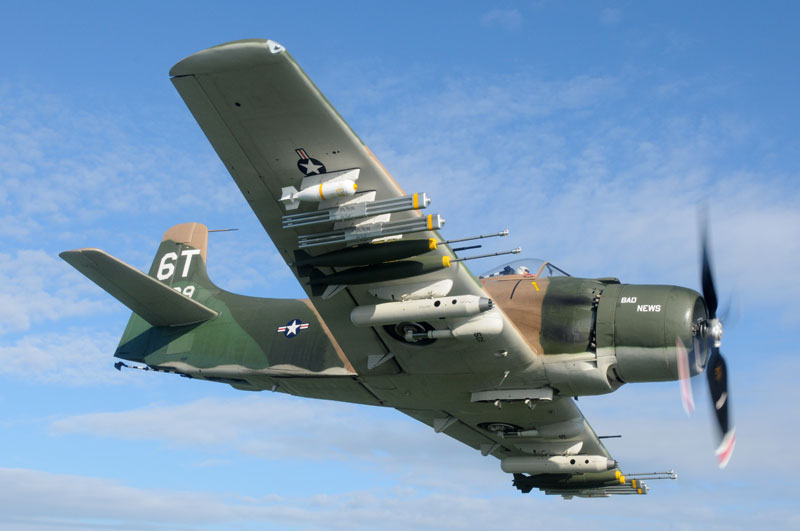
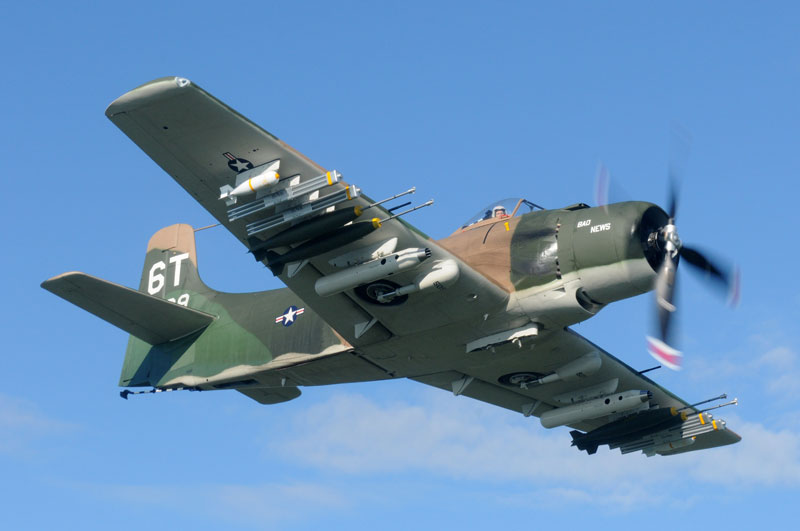
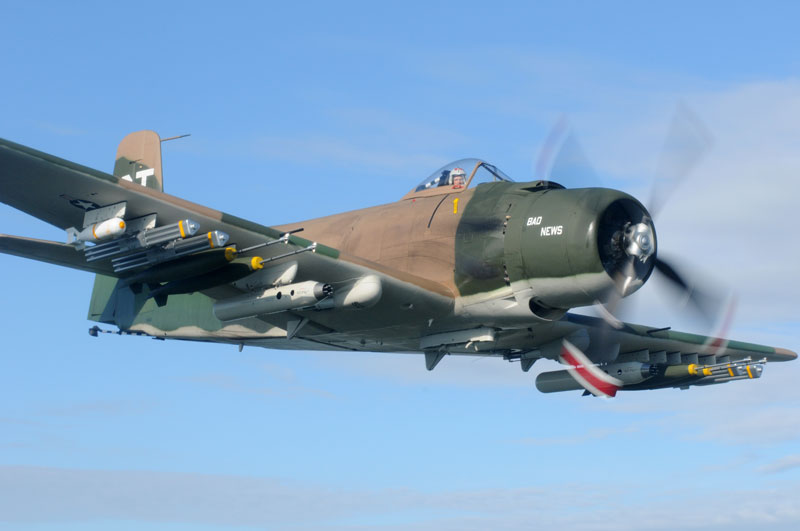
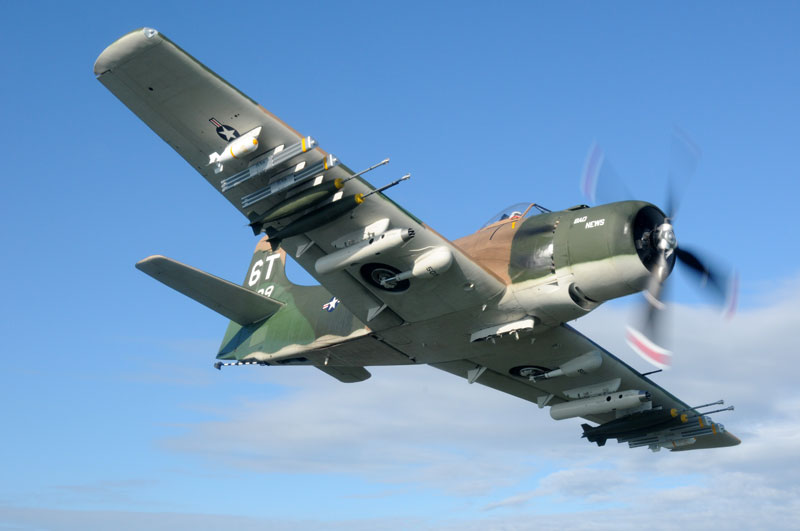
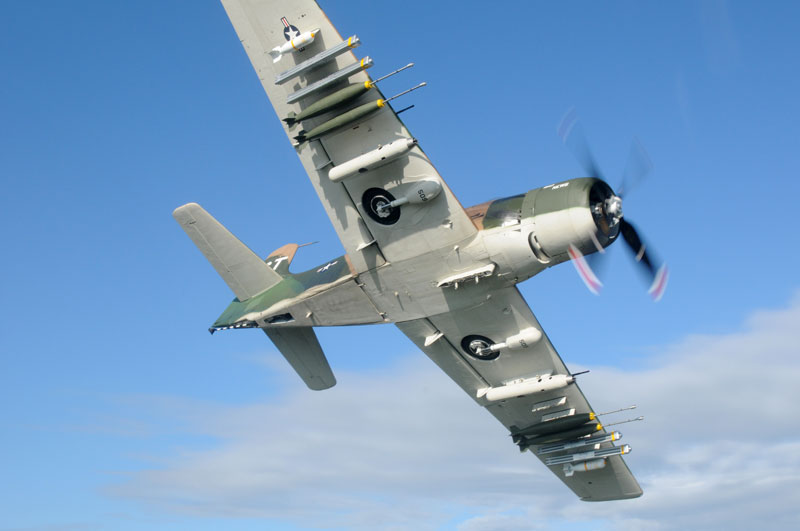
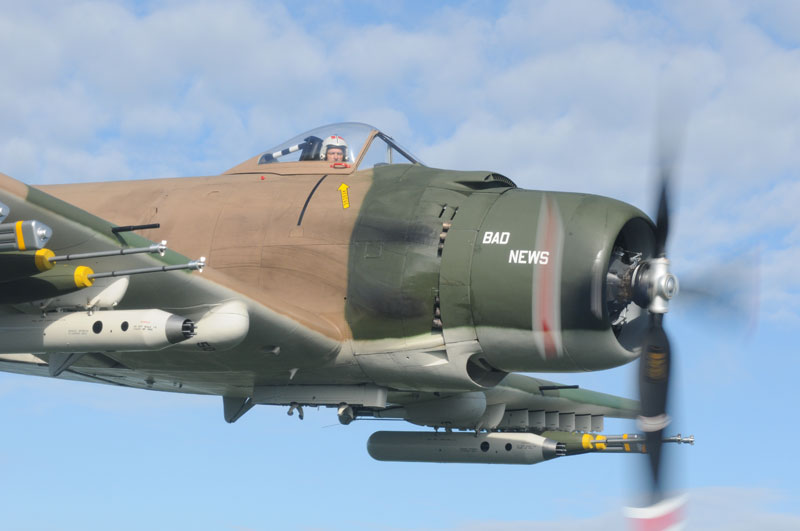
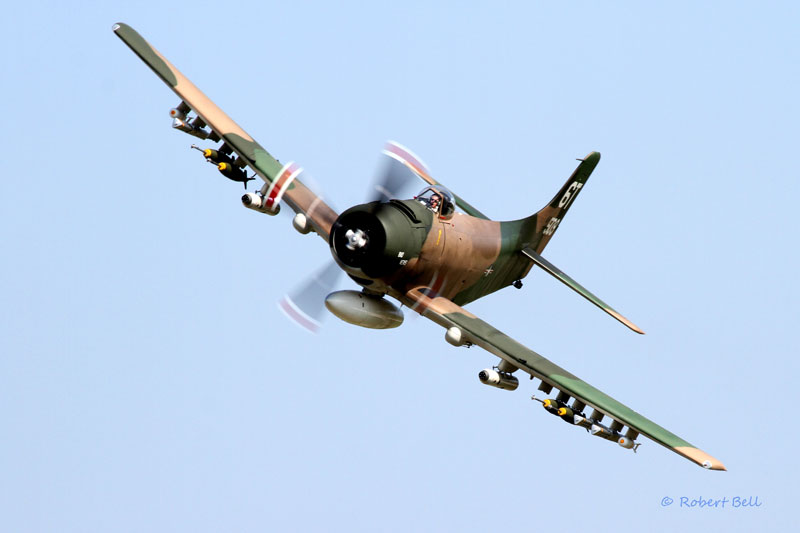
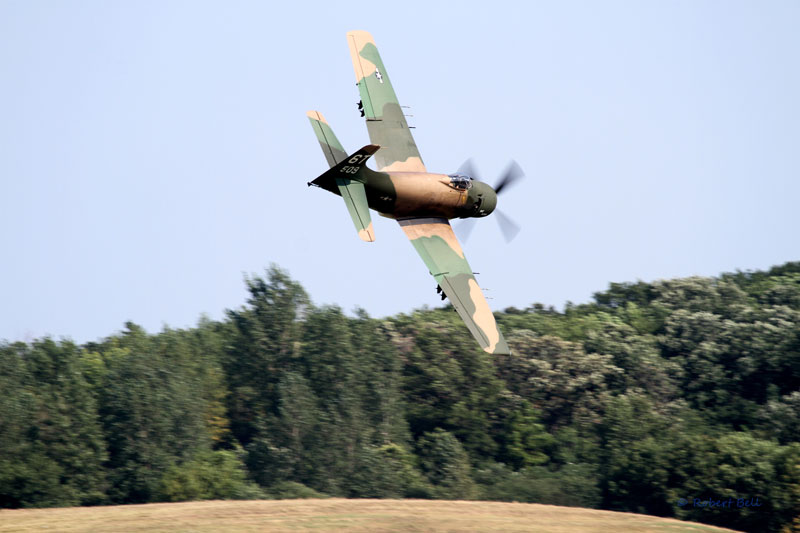
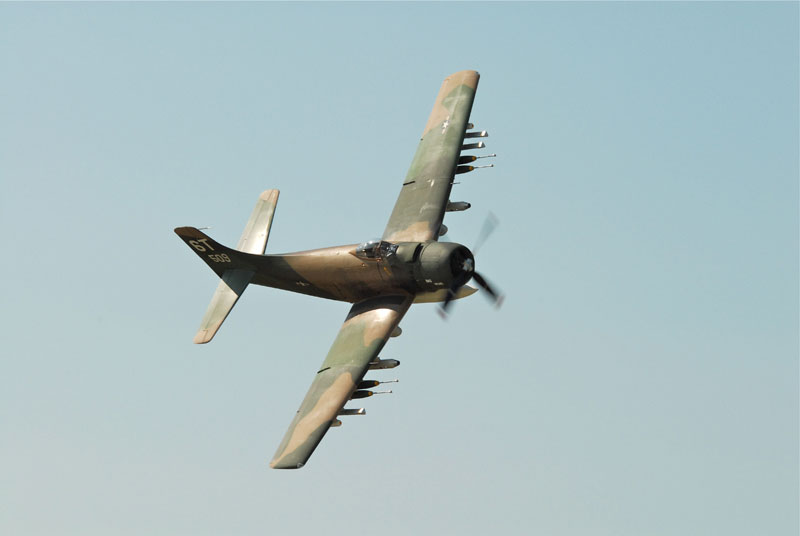
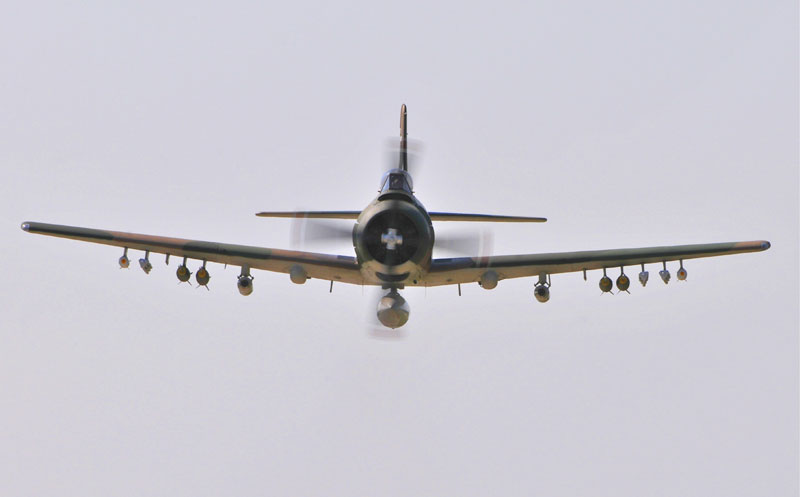
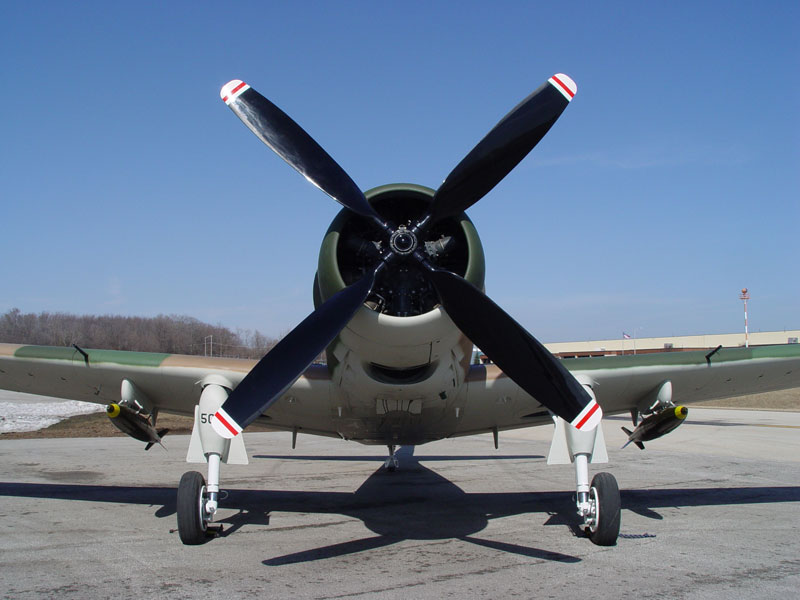
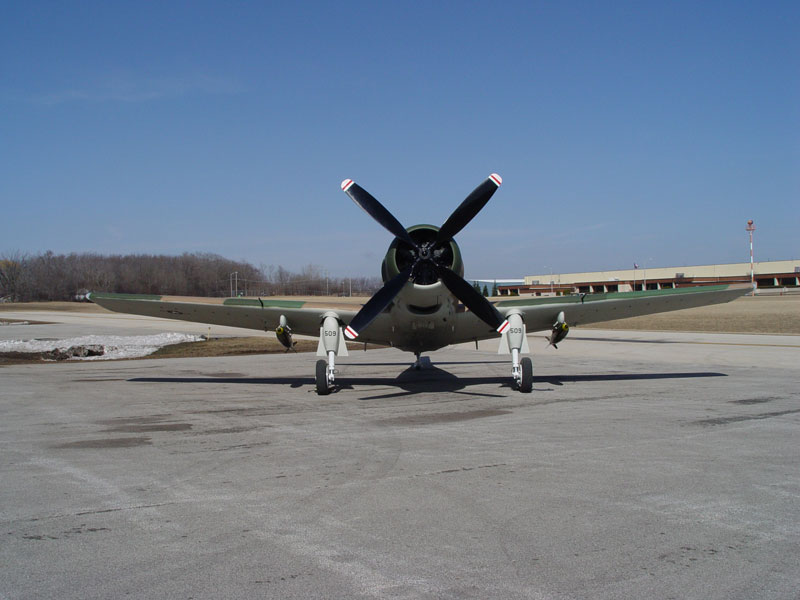
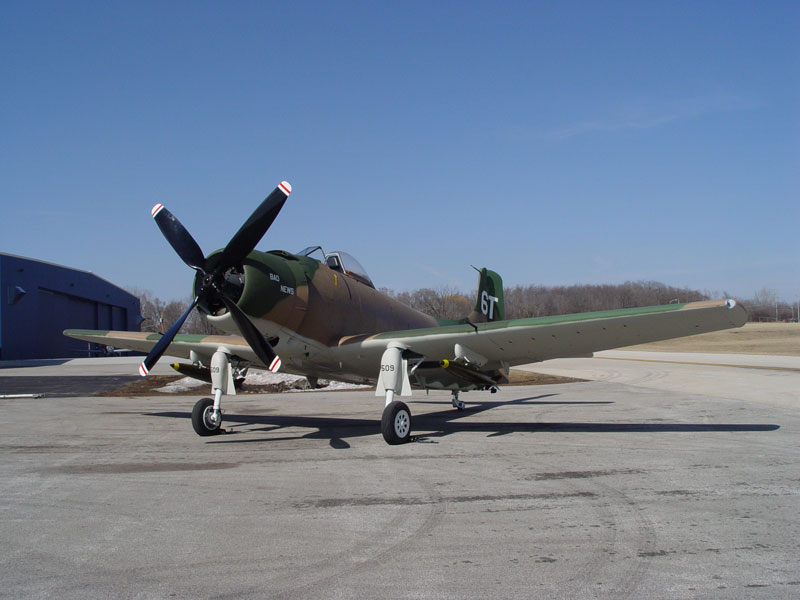
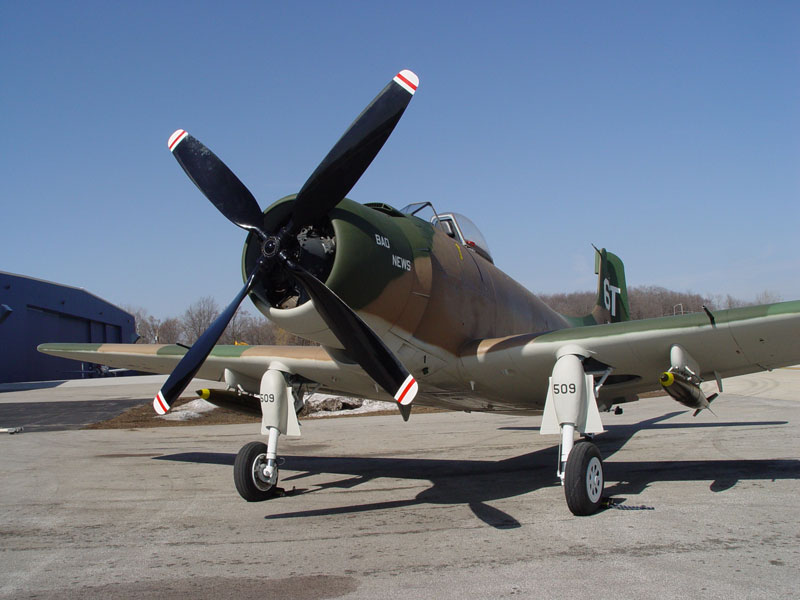
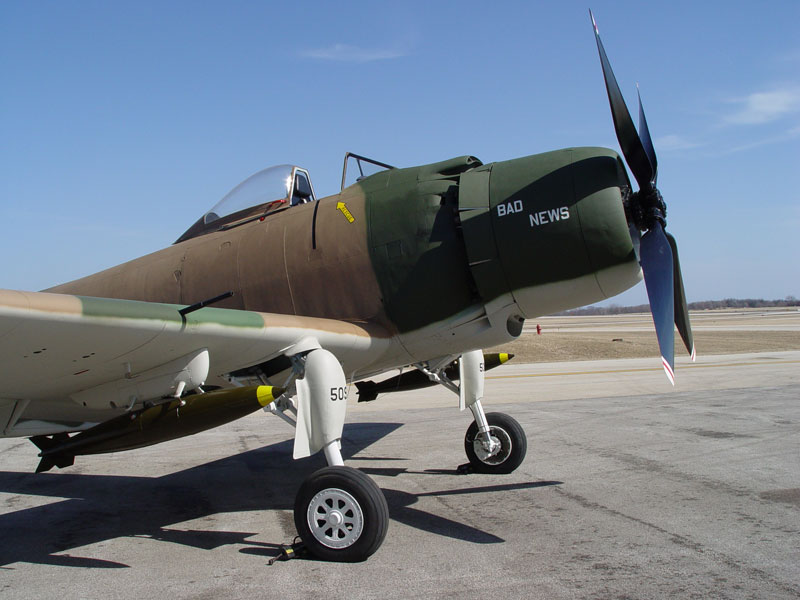
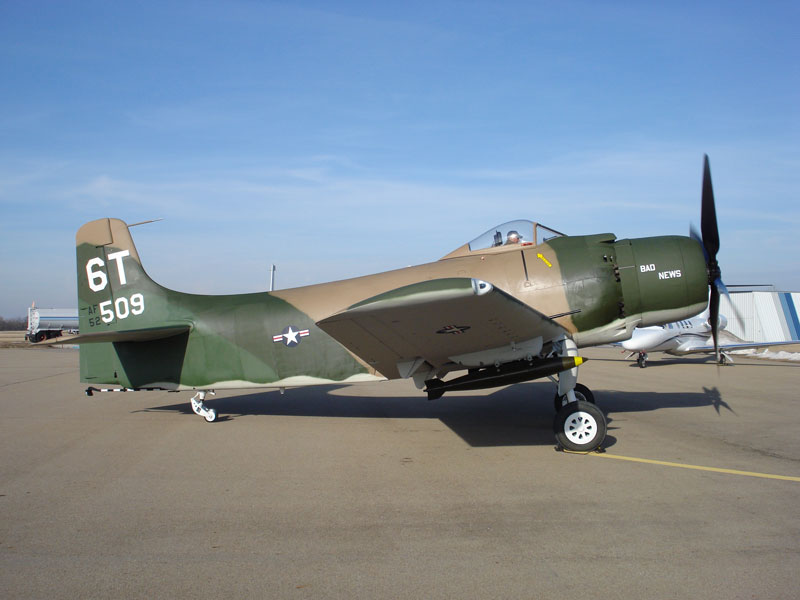
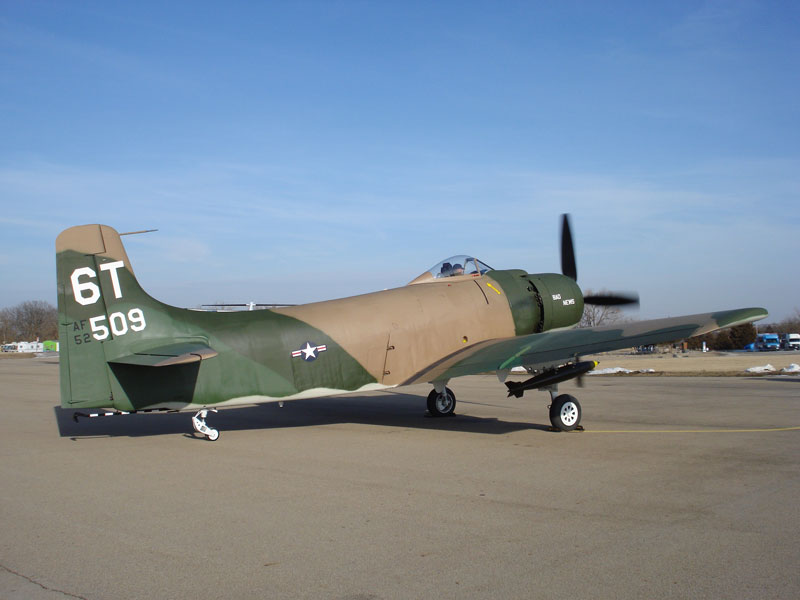
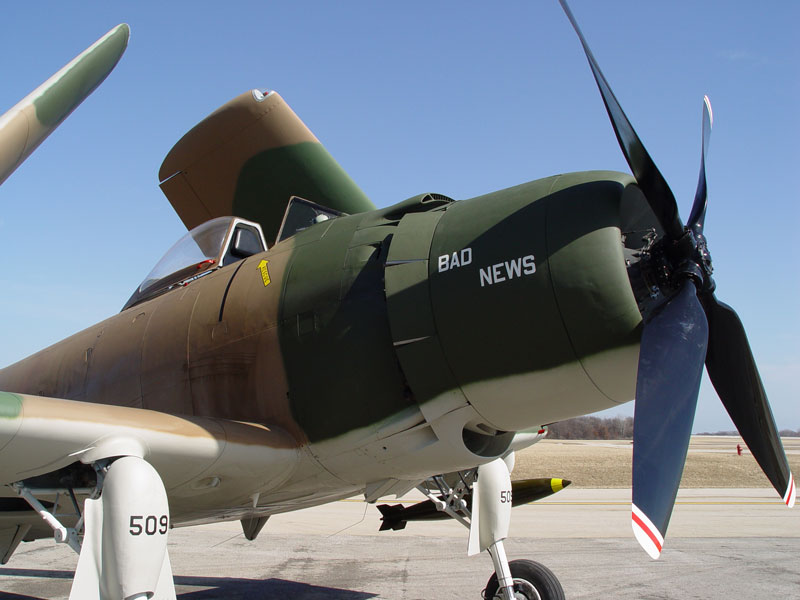
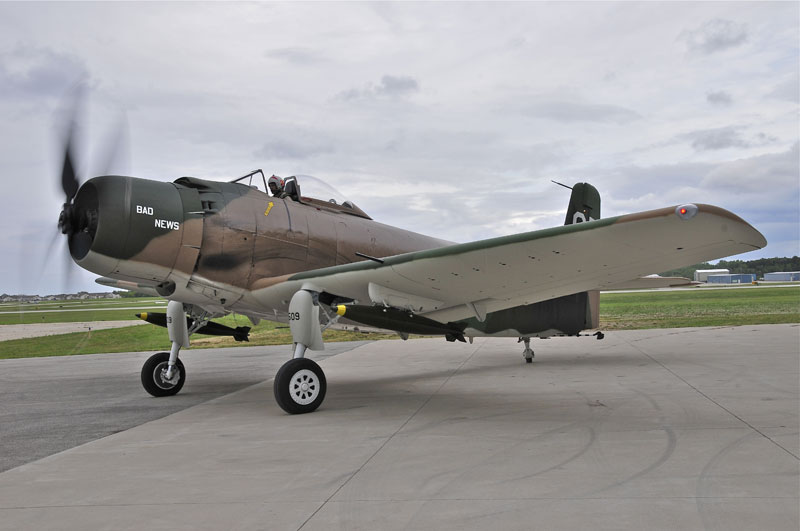
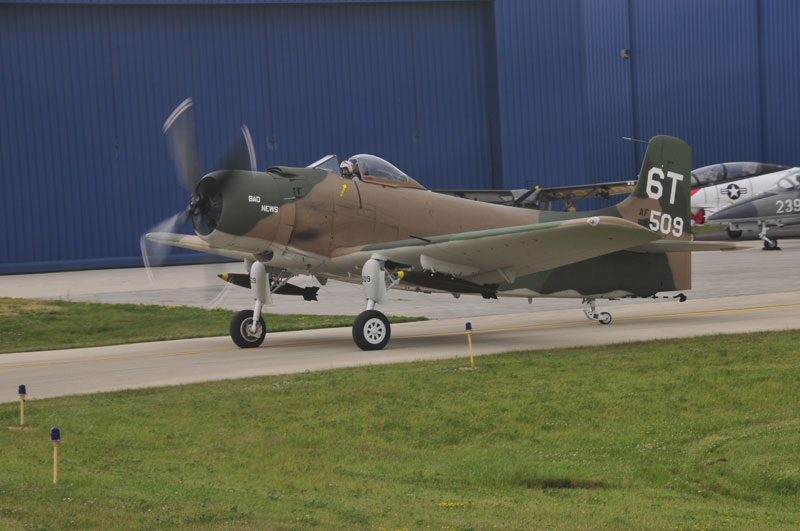
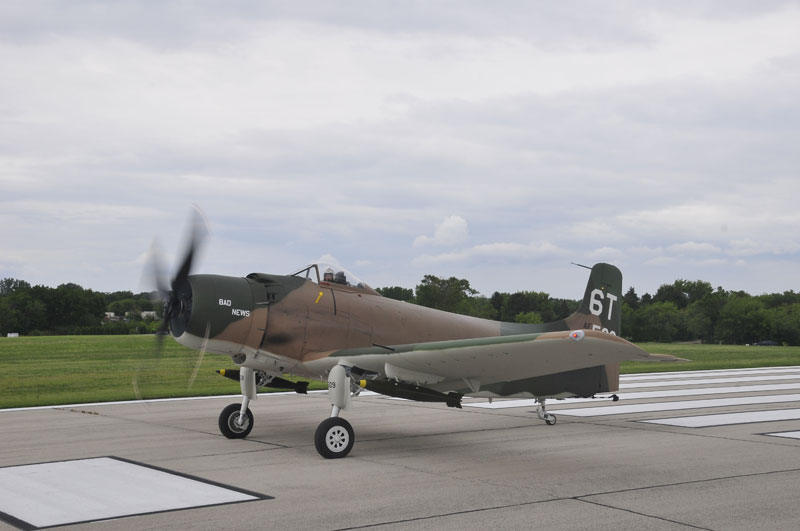
The Douglas AD-1 (formerly AD) Skyraider was a U.S. single-seat attack bomber of the late 1940's, 1950s, 1960s, and early 1970s. The aircraft entered service in December, 1946. The piston-engined, prop-driven Skyraider was a postwar follow-on to World War II dive bombers and torpedo bombers such as the Helldiver and Avenger.
The Skyraider became the backbone of U.S. Navy aircraft carrier and United States Marine Corps (USMC) strike aircraft sorties in the Korean War. Its weapons load and 10-hour flying time far surpassed the jets that were available at the time.
In 1965, the AD-1 Skyraider was still the medium attack aircraft in many carrier air wings, although it was slated to be replaced by the A-6A Intruder as part of the general switch to jet aircraft. Skyraiders participated in the first strikes against North Vietnam before they were replaced. AD-1's were adopted as the primary ground support attack aircraft for the U.S. Air Force and South Vietnamese Air Force (VNAF) during the Vietnam War, before being supplanted by the jet-powered A-37 Dragonfly in USAF and VNAF and the A-7 Corsair II in US Navy service.
As they were released from Navy service, Skyraiders were introduced into the Vietnam Air Force (VNAF). They were also used by the USAF to perform one of the Skyraider's most famous roles: the "Sandy" helicopter escort on combat search and rescue operations.
The aircraft remained in production until February 18, 1957. The AD-1 Skyraider was replaced in the 1960s by the A-4 Skyhawk as the Navy's primary light attack plane. The Skyraider was retired by the U.S. military in the 1970's.
A total of 3,180 Skyraiders were built.
Read more information on the AD-1 Skyraider from the free online resource 'Wikipedia'.
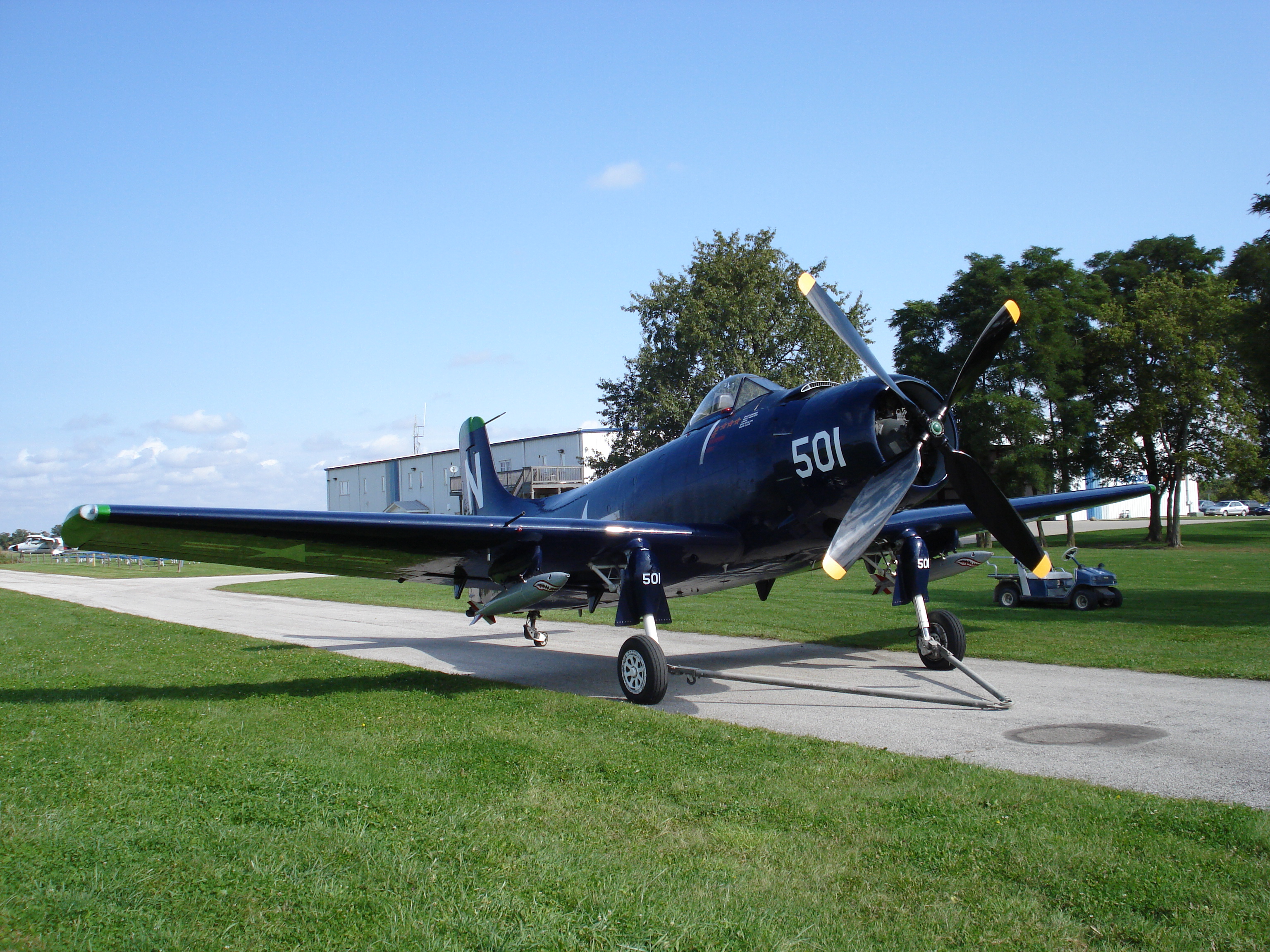
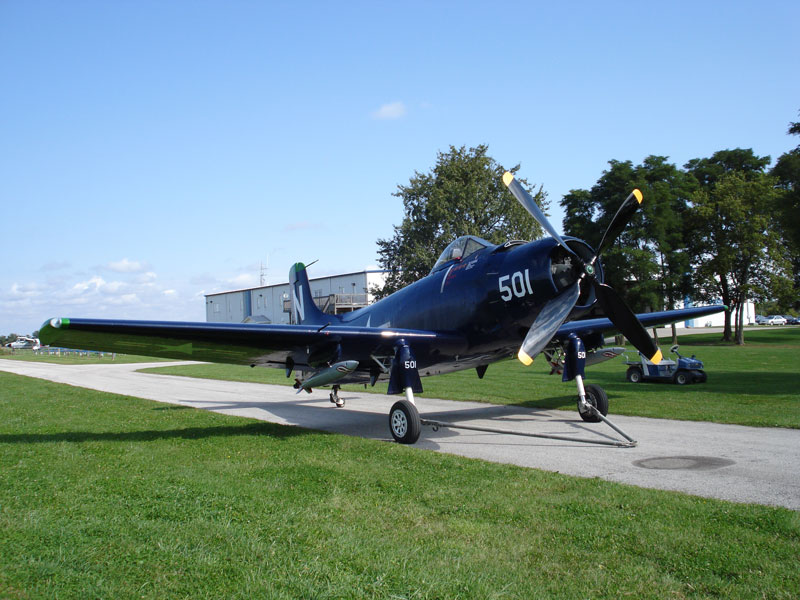
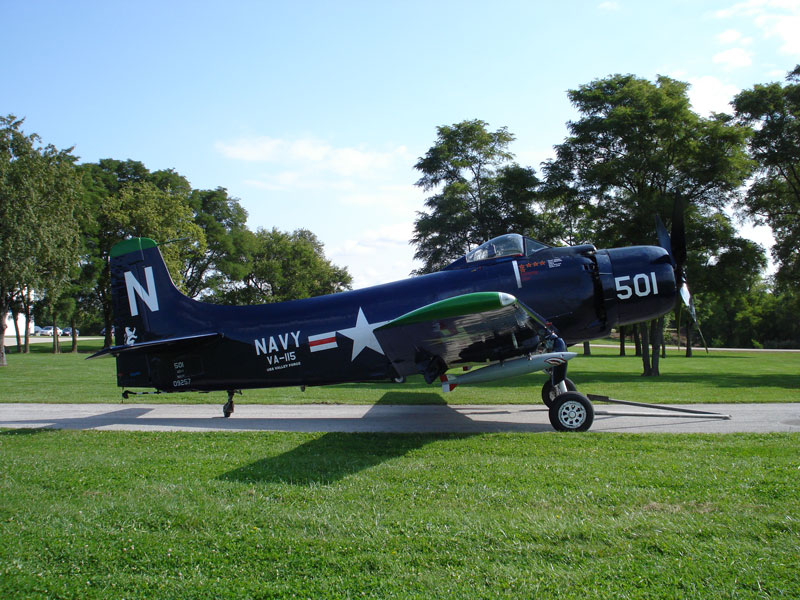
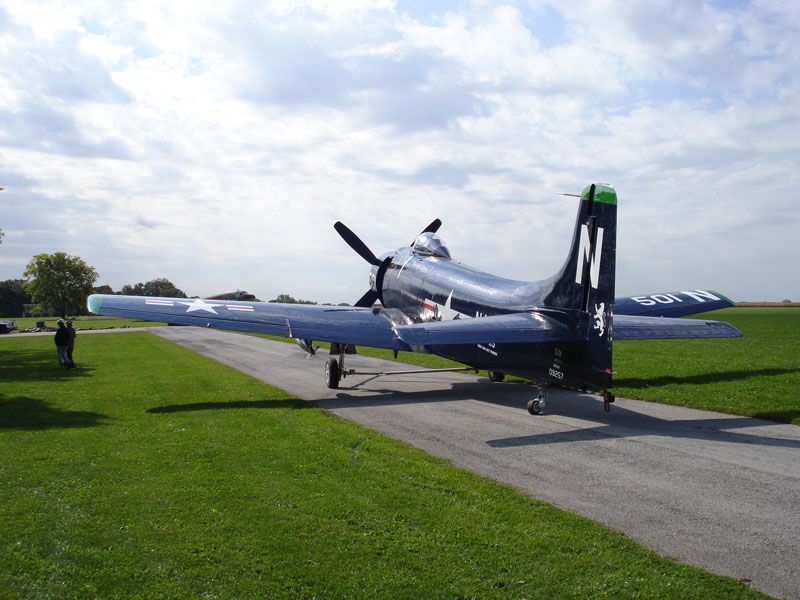
AD-1 Skyraider - Constr #: 2085 - BuNo: 09257 (U.S. Navy)
The known history of this aircraft is listed below.
We believe this aircraft to be the oldest standard production Skyraider still flying.
| Date | Squadron | Squadron Name | Location |
|---|---|---|---|
| 1947 Sep 20 | Acceptance | El Segundo, CA | |
| 1947 | NAS Norfolk, VA | ||
| 1947 Oct | VA-5B | NAS Norfolk, VA | |
| 1948 Apr | Pool | NAS Norfolk, VA | |
| 1949 Feb | OTR | NAS Quonset Point, RI | |
| 1949 Nov 14 | NAS Quonset Point, RI - Overhaul | ||
| 1950 Feb 15 | NAS Norfolk, VA | ||
| 1951 Jan 5 | NAS Quonset Point, RI | ||
| 1951 Apr 13 | NAS San Diego, CA | ||
| 1951 Jul 12 | VA-115 | Arabs | USS Valley Forge (CV-45) |
| 1951 Nov 20 | VA-55 | Topcats | NAS San Diego, CA |
| 1952 Mar 20 | FASRON 701 | NAS Miramar, CA | |
| 1952 May 20 | VF-54 | Hell's Angels | NAS Miramar, CA |
| 1952 Aug 15 | FASRON 701 | NAS Miramar, CA | |
| 1952 Oct 2 | ATU 301 VA | Cabaniss Field, TX (NOLF) | |
| 1953 Mar 31 | NAS Corpus Christi, TX | ||
| 1953 May 7 | NAS Alameda, CA | ||
| 1953 Oct 2 | NAS Corpus Christi, TX | ||
| 1953 Oct 9 | ATU 301 VA | Cabaniss Field, TX (NOLF) | |
| 1955 Apr 28 | NAS Corpus Christi, TX | ||
| 1955 May 17 | NAS Alameda, CA | ||
| 1956 Oct 13 | Stricken from Inventory | Hrs Flown: 1,750 Total Mos Optg: 41 | NAS Norman, OK |
| .... | .... | ||
| 1982 | Civilian Ownership | ||
| 1997 | Restored by Ezell Aviation - Breckenridge, TX | ||
| 1998-2008 | Civilian Ownership | ||
| 2008 Sep | Skyraider Historic Military Aircraft, LLC. Maintained and Operated by Warbird Heritage Foundation under a Bailment Agreement |
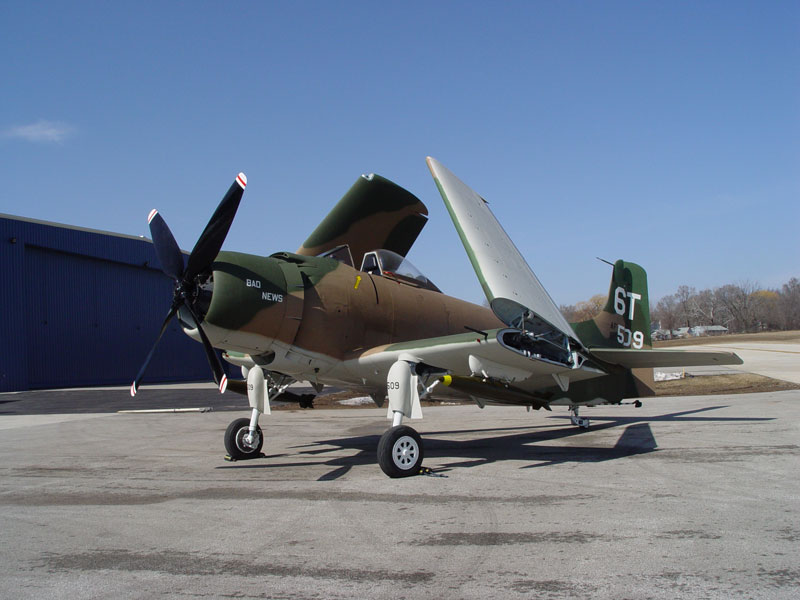
AD-1 Skyraider Wing Extend
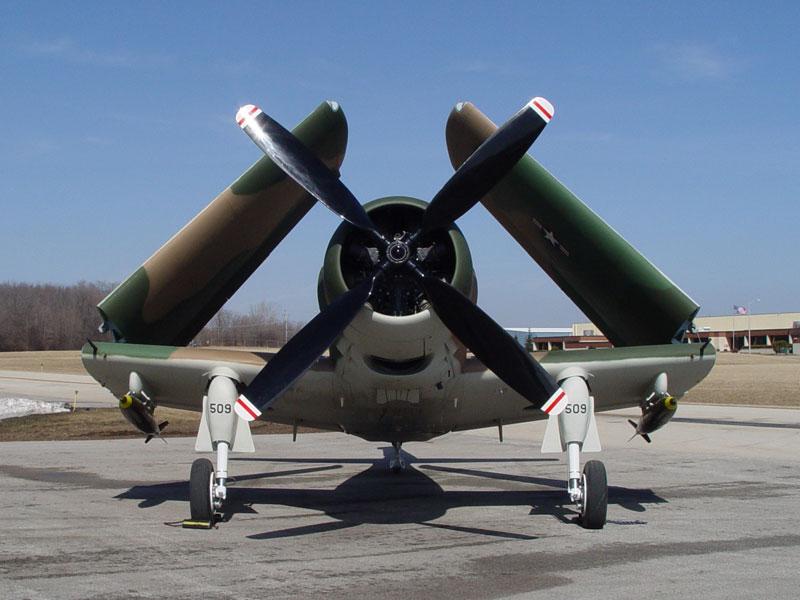
A Douglas AD-1 Skyraider unfolding its wings, preparing for flight.
SPECIFICATIONS
| Manufacturer: | Douglas Aircraft Company |
| Model: | AD-1 |
| Year Built: | 1947 |
| Constr # / Plant: | 2085 / El Segundo, CA |
| Serial No: | 09257 (U.S. Navy) |
| N-Number: | N2AD |
| Engines: | One |
| Wright R-3350-26WA Radial Piston | |
| 2,700 HP | |
| Length: | 38 ft. 10 in. |
| Height: | 15 ft. 8.25 in. |
| Wingspan: | Folded: 23 ft. 11.18 in. |
| Extended: 50 ft. 0.25 in. | |
| Weight: | Empty: 10,987 lbs. |
| Max Takeoff: ~ 16,572 lbs. | |
| Performance: | Range: 900 miles |
| Ceiling: 25,500 ft. | |
| Max Speed at 18,000 ft: 320 MPH |
ARMAMENT
GUNS
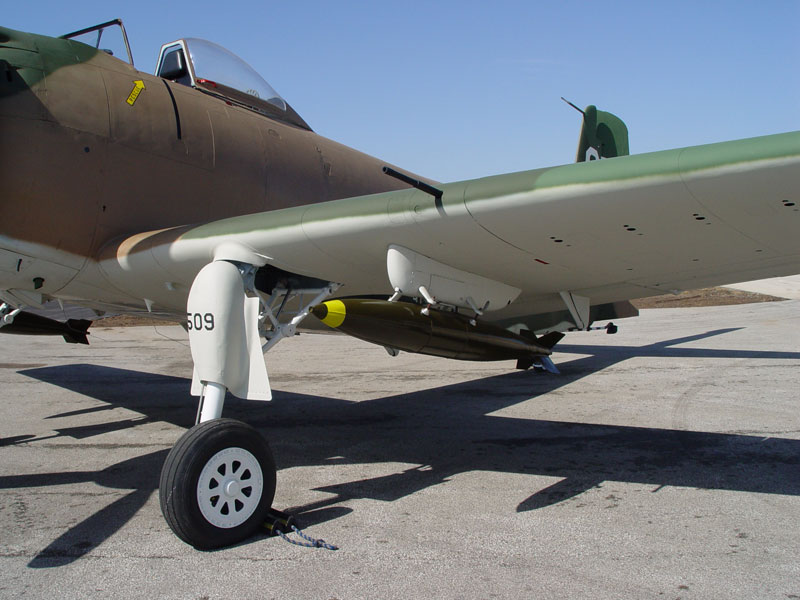
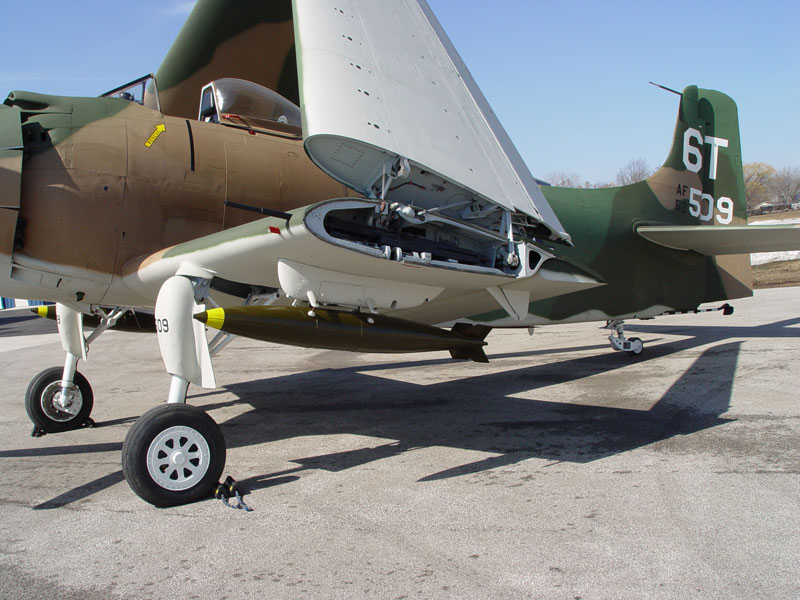
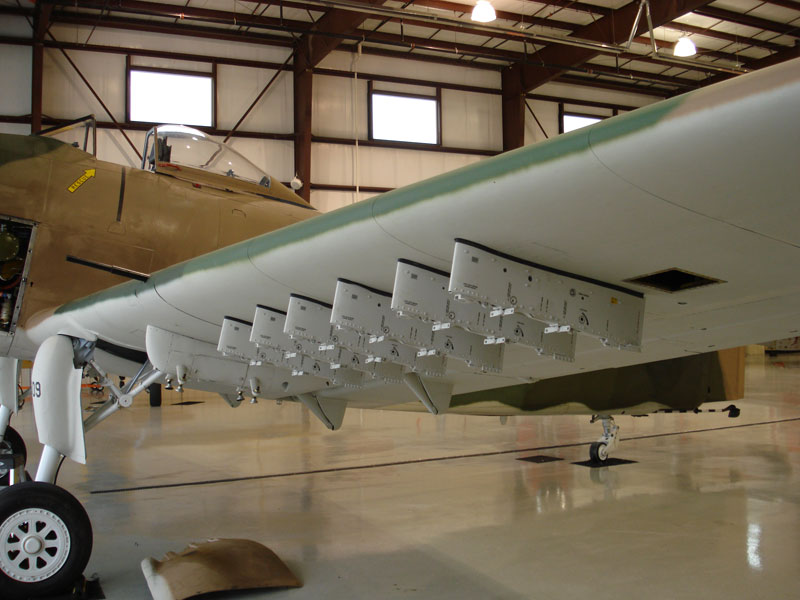
The AD-1 Skyraider was equipped with two integrated 20 mm (0.79 inch) M3 cannons, one on each wing. Each M3 carried 200 rounds of ammunition (2 boxes of 100). Three types of ammunition were available.....READ MORE
HISTORICAL EVENT
U.S.S. Midway / VA-25 Skyraider Toilet Bomb
The following is an account of this event, courtesy of Clint Johnson, Captain, USNR Ret. Captain Johnson was one of the two VA-25 A-1 Skyraider pilots credited with shooting down a MiG-17 on June 20, 1965. ----I was a pilot in VA-25 on the 1965 USS Midway Vietnam cruise......READ MORE.
GALLERY
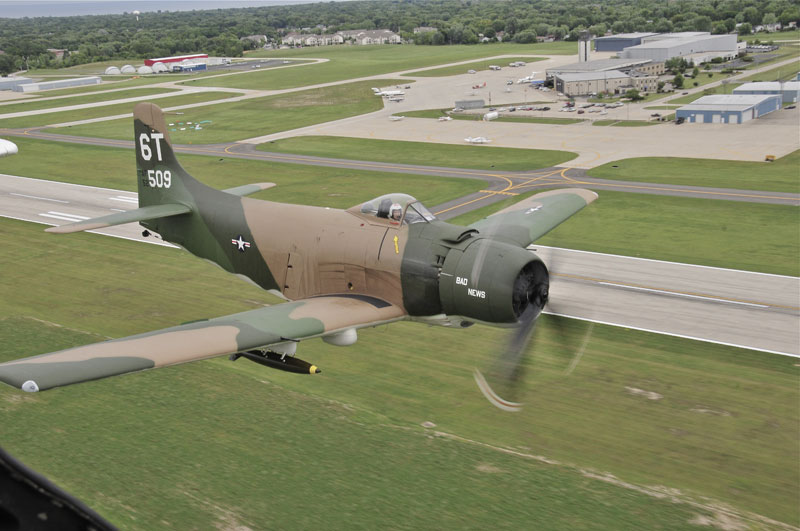
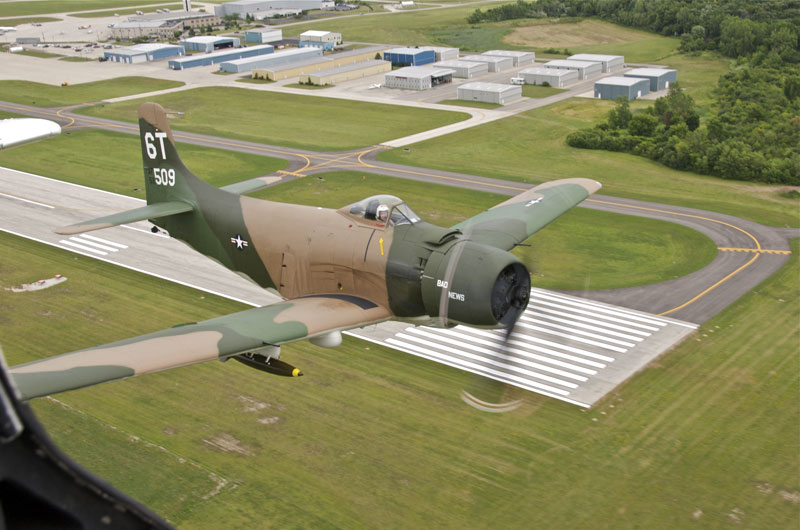
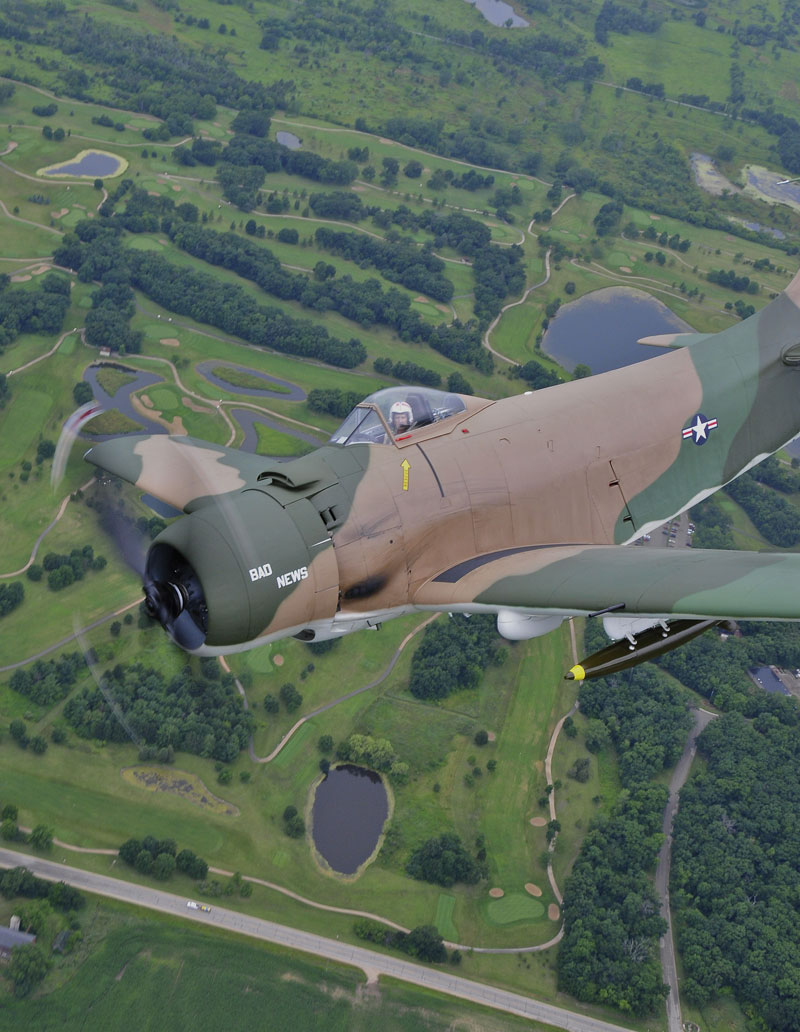
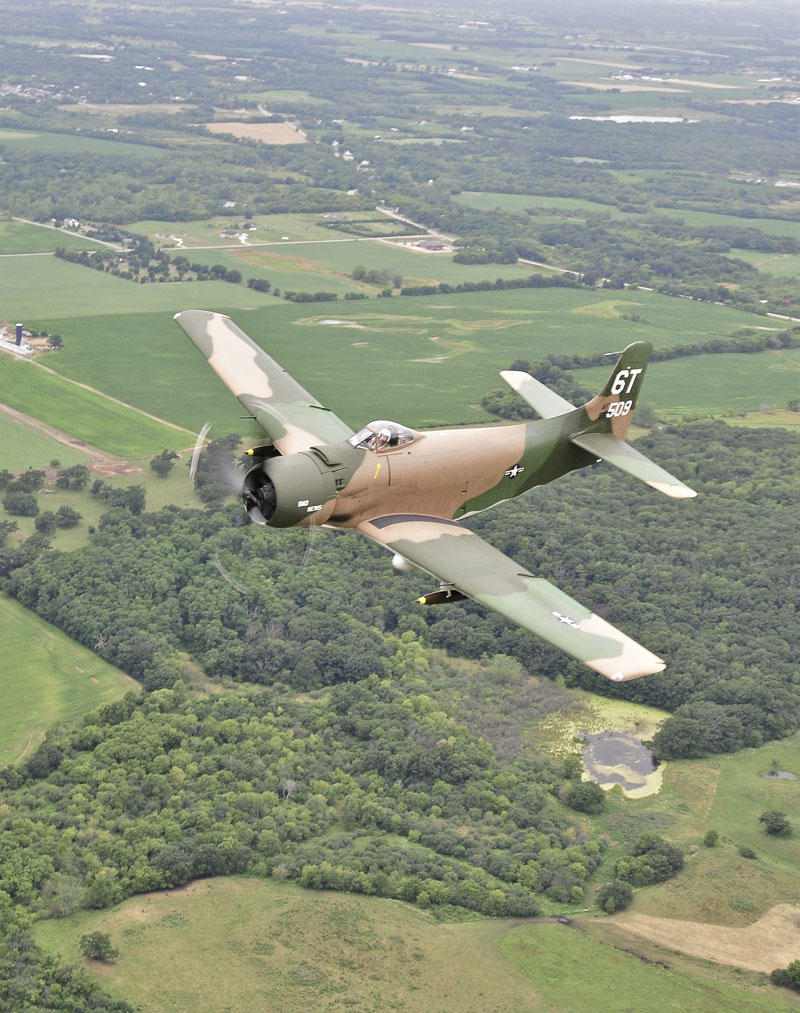
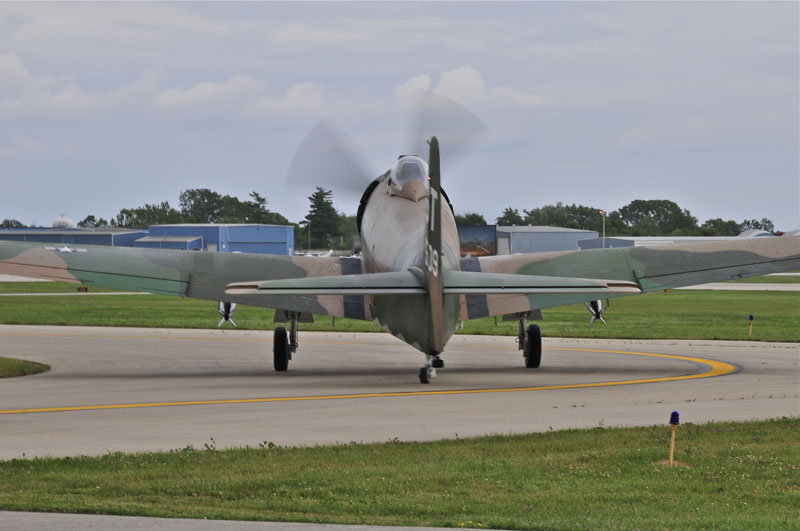
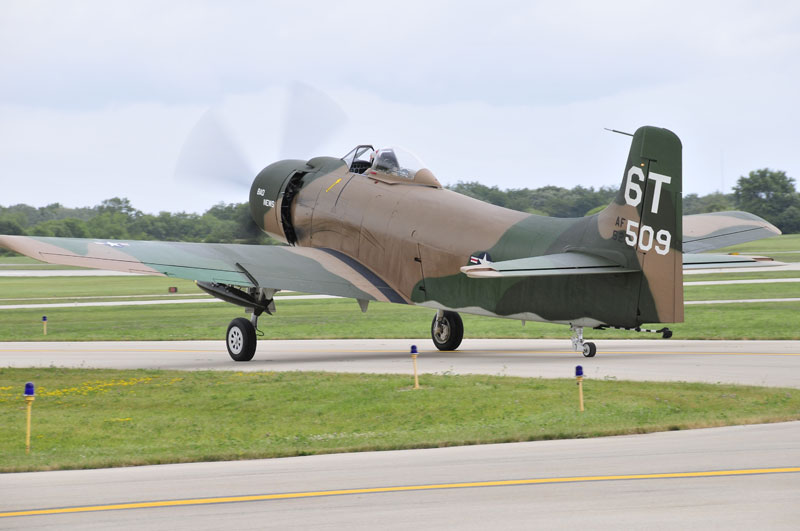
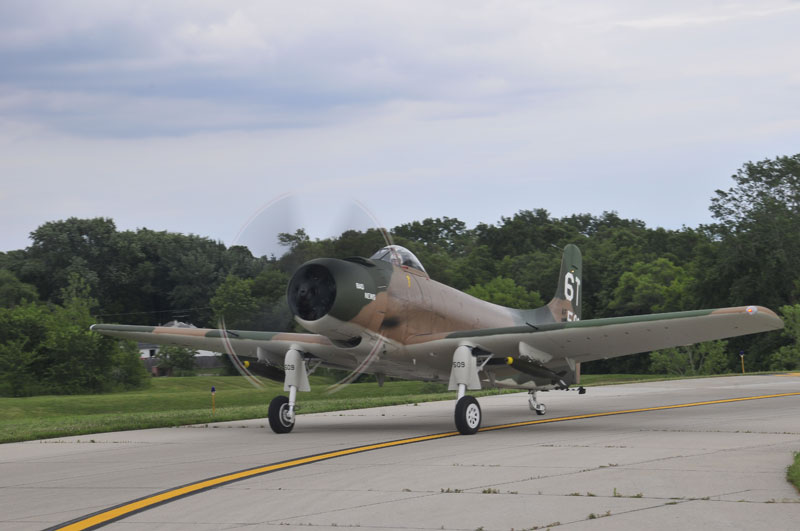
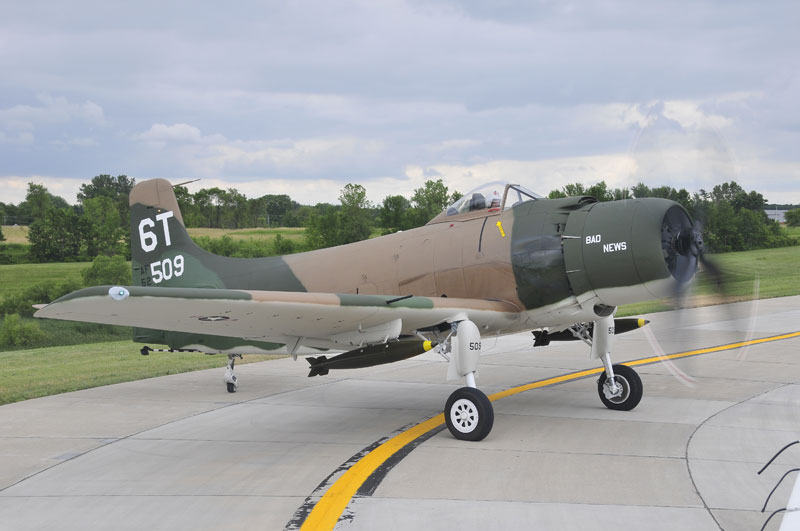
Explore the photos of our aircraft on this page by clicking the play arrow, or click on the square in the upper right hand corner to go to full screen. Once on the page, click play. To return to this page, click upper right hand button again. In full screen mode, you can double click the image to get a close-up view.
In-Flight Photos

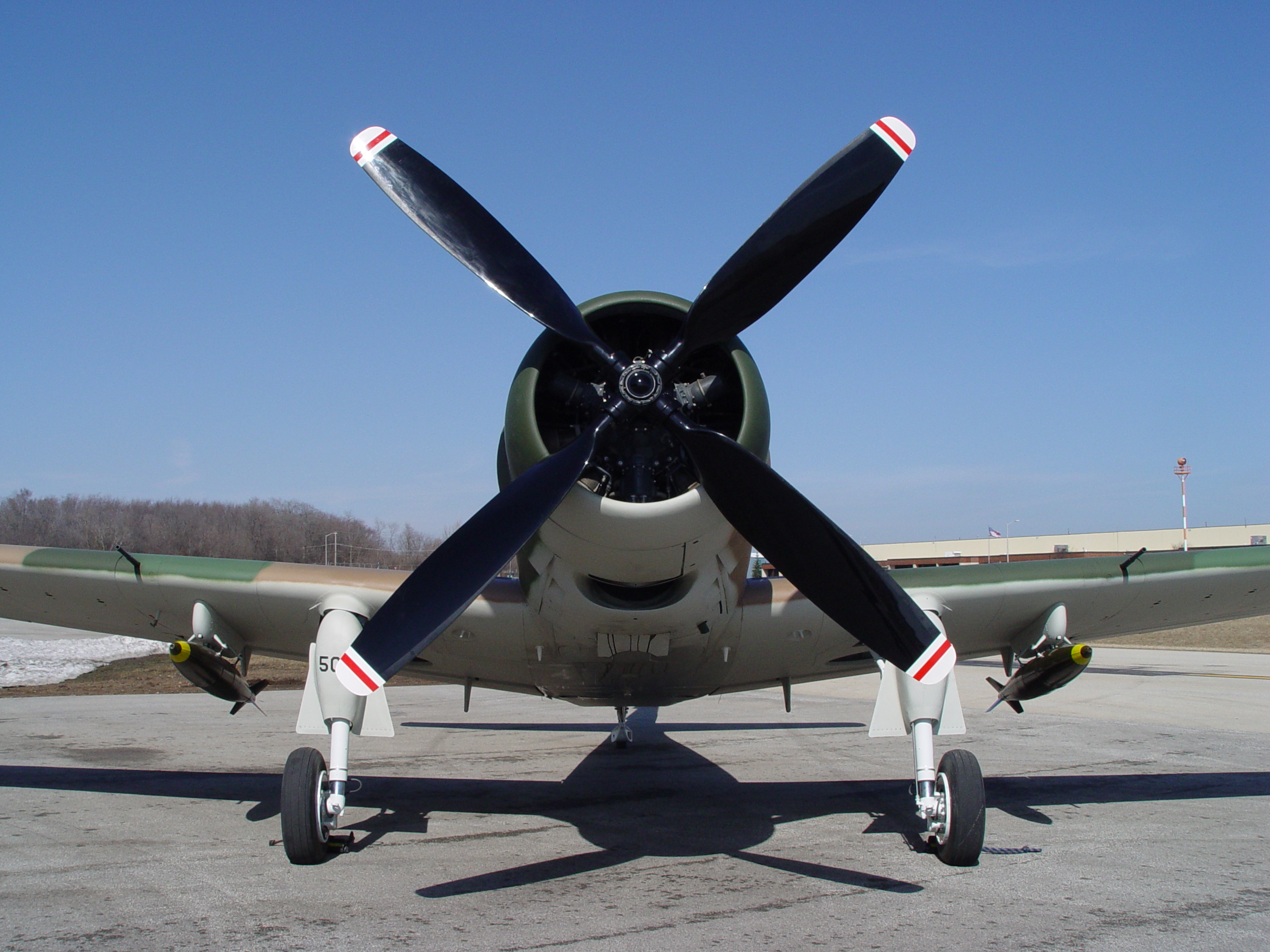
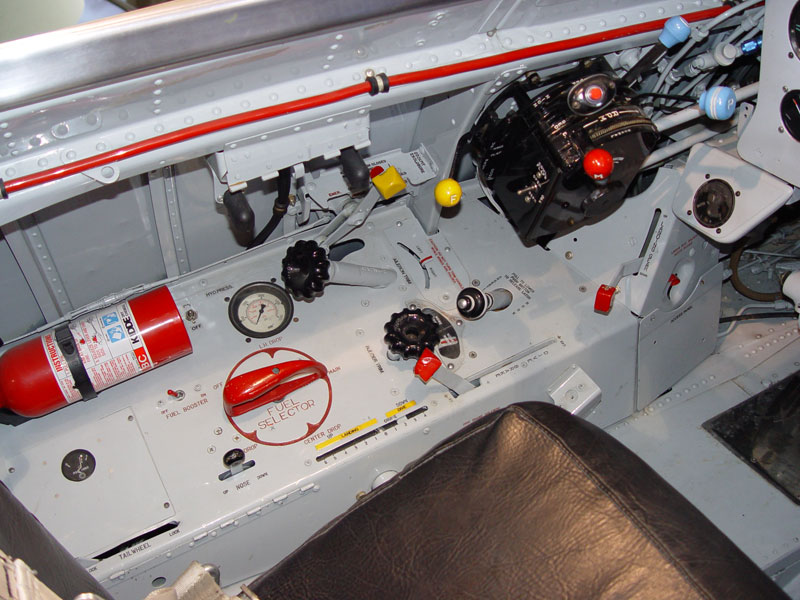
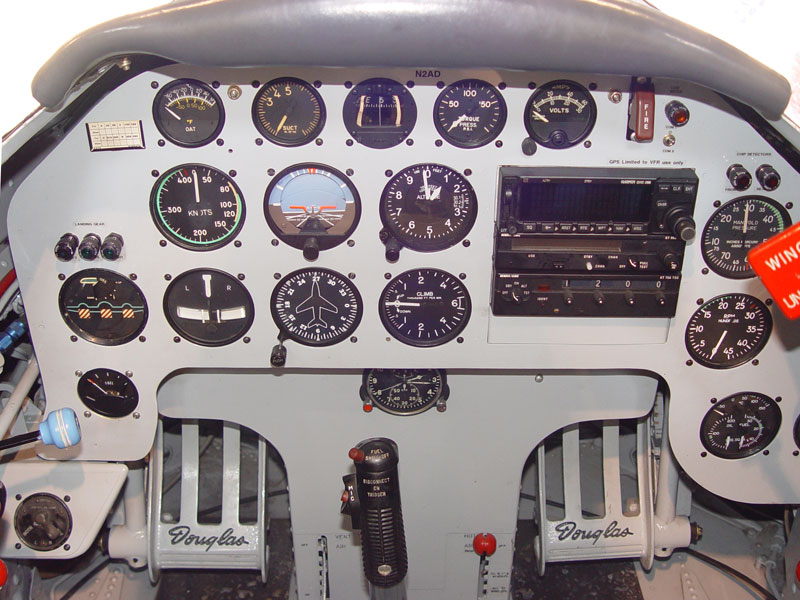
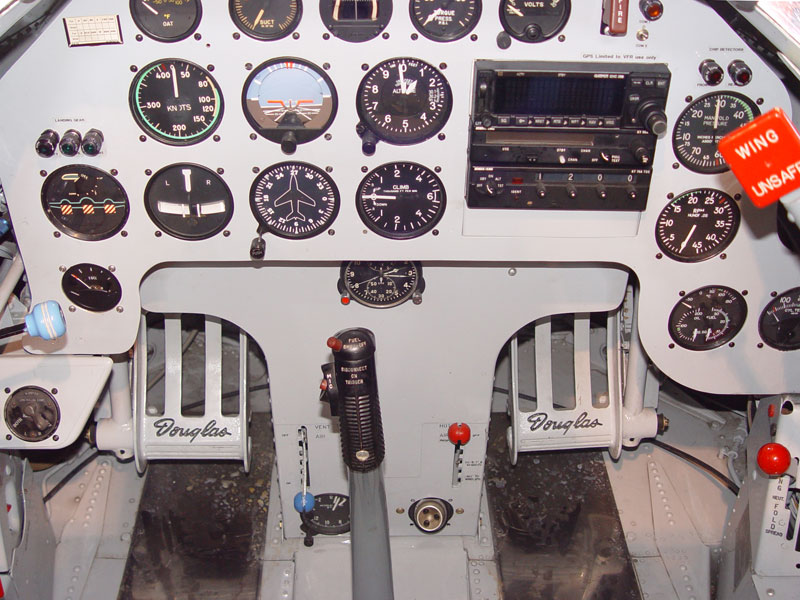
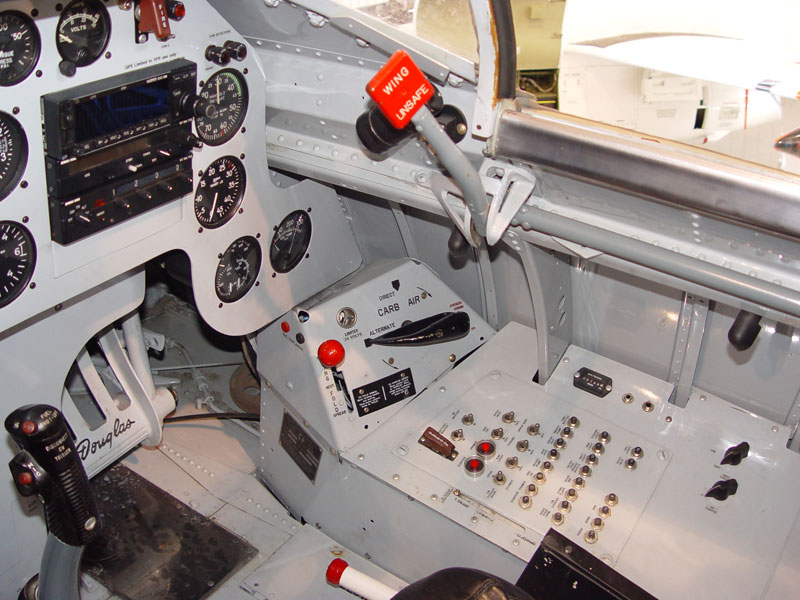
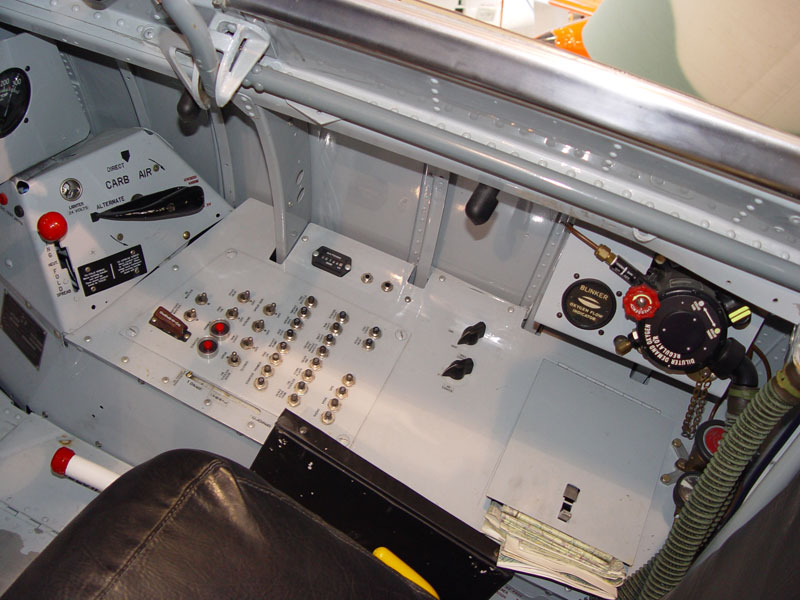
Exterior and Interior Photos
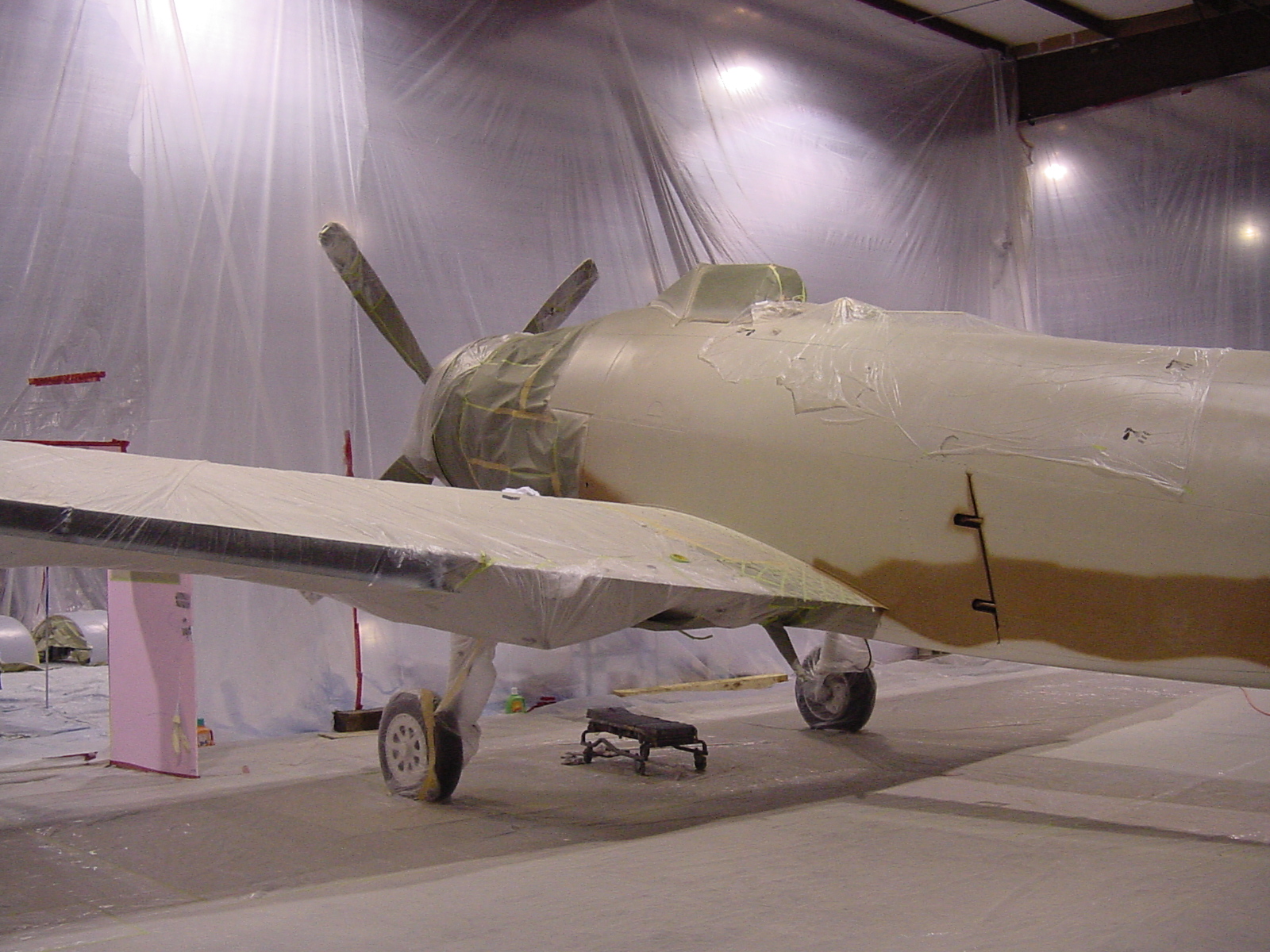
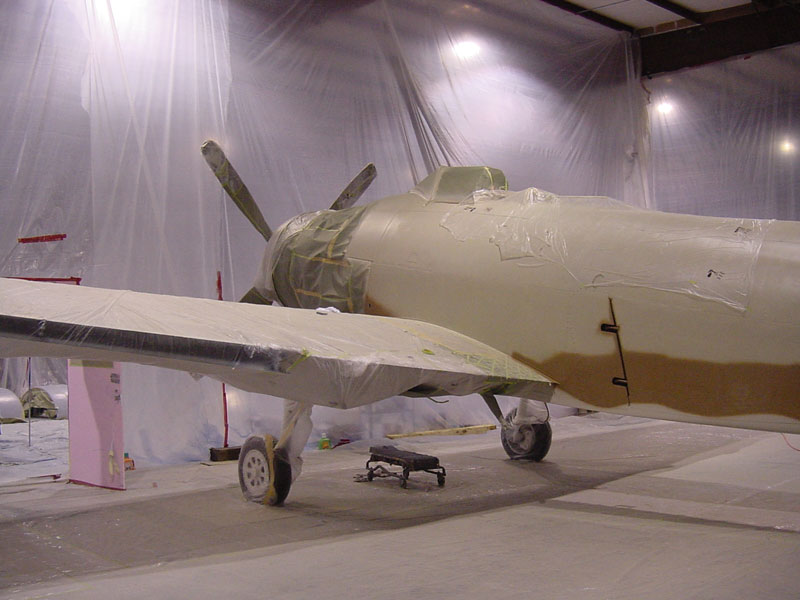
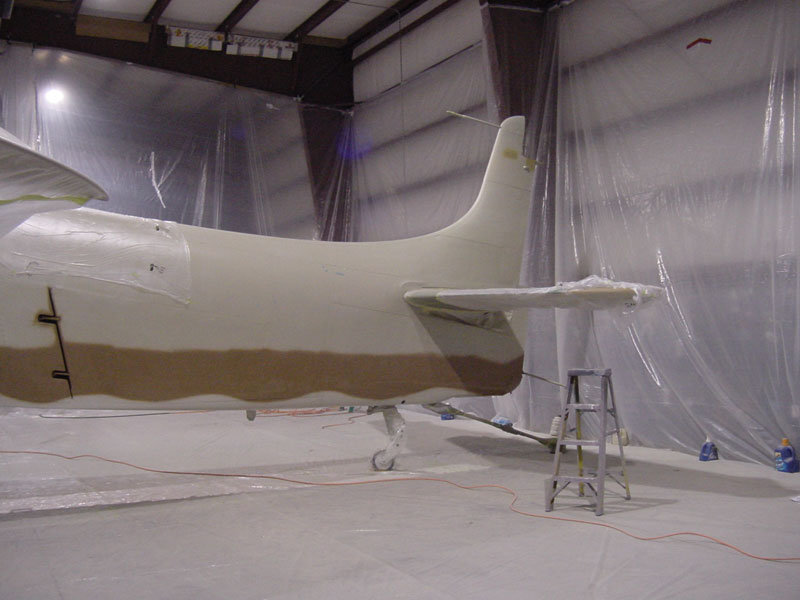
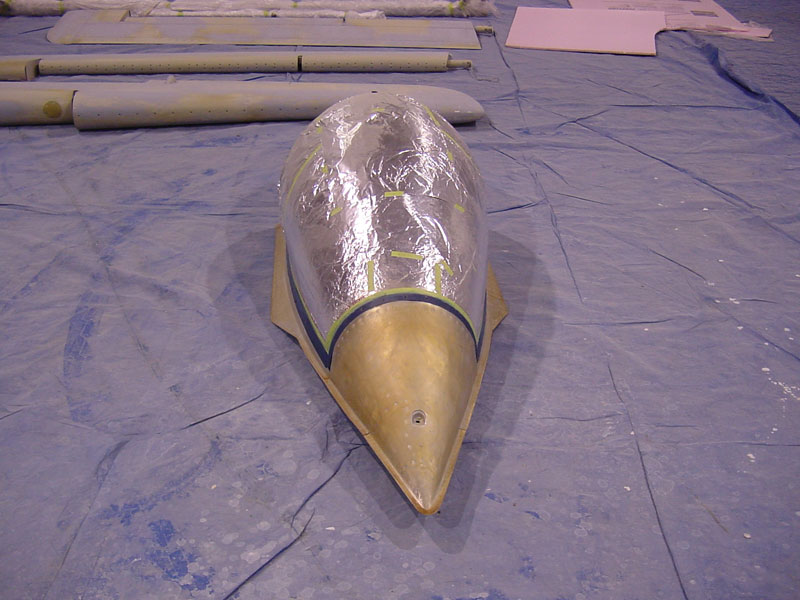
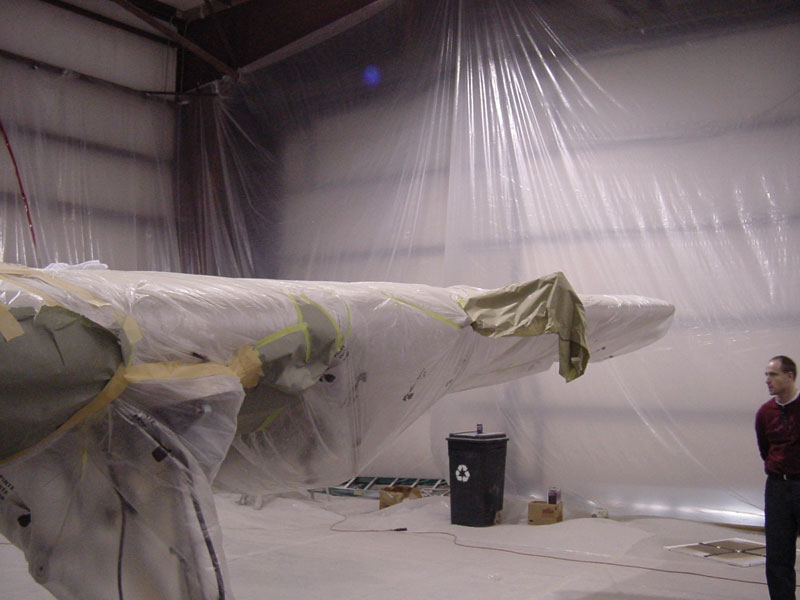
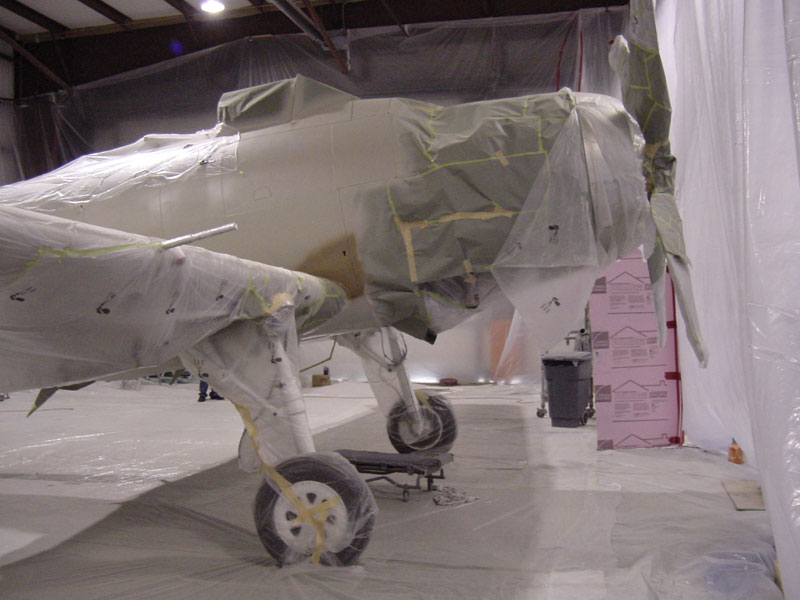
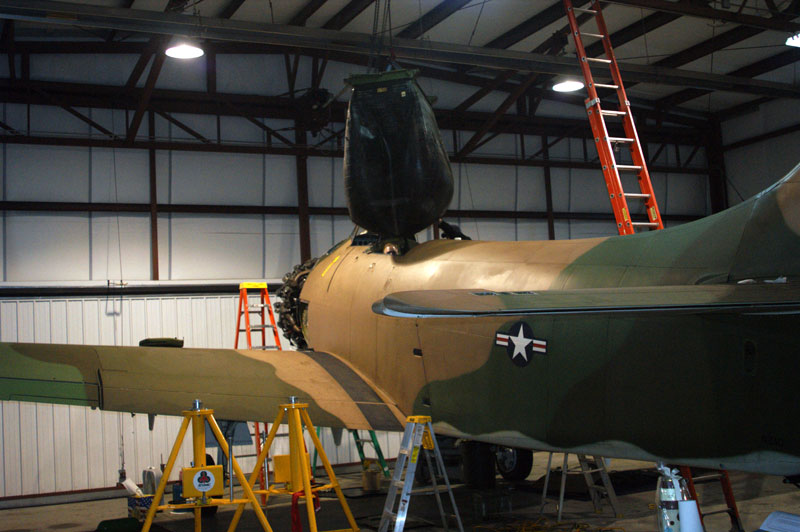
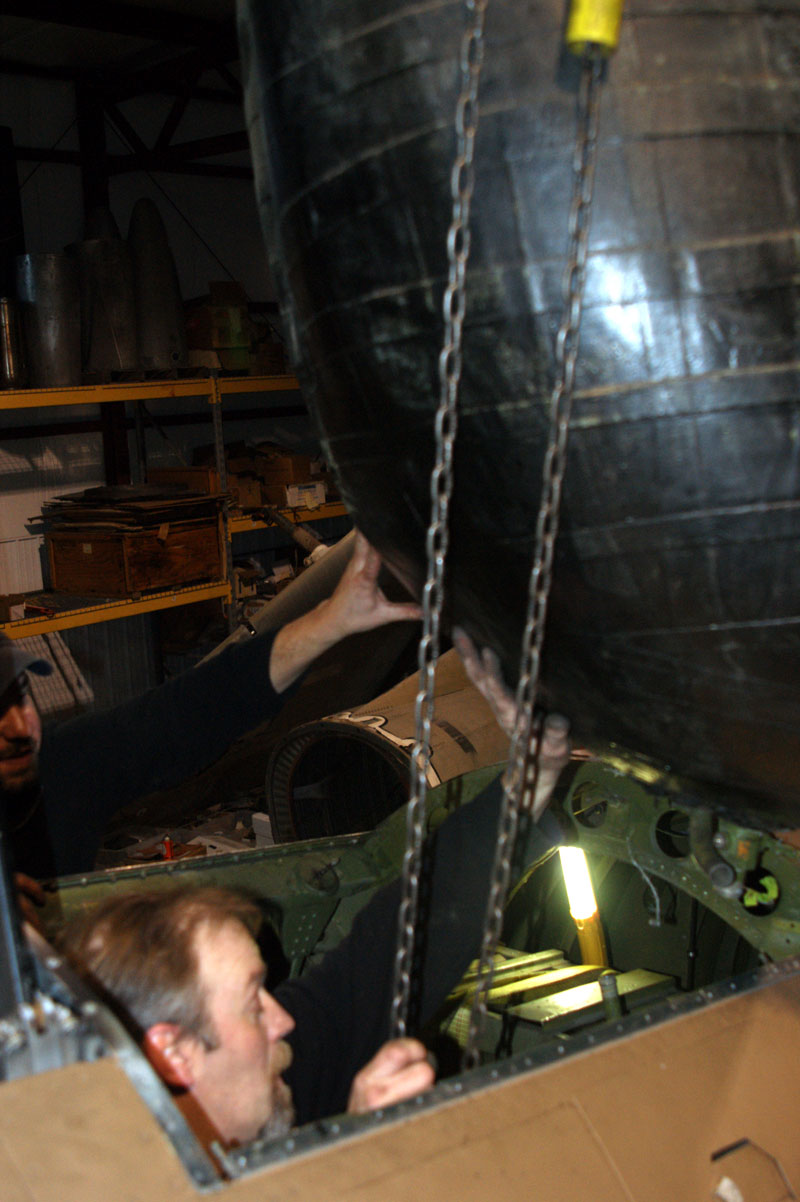
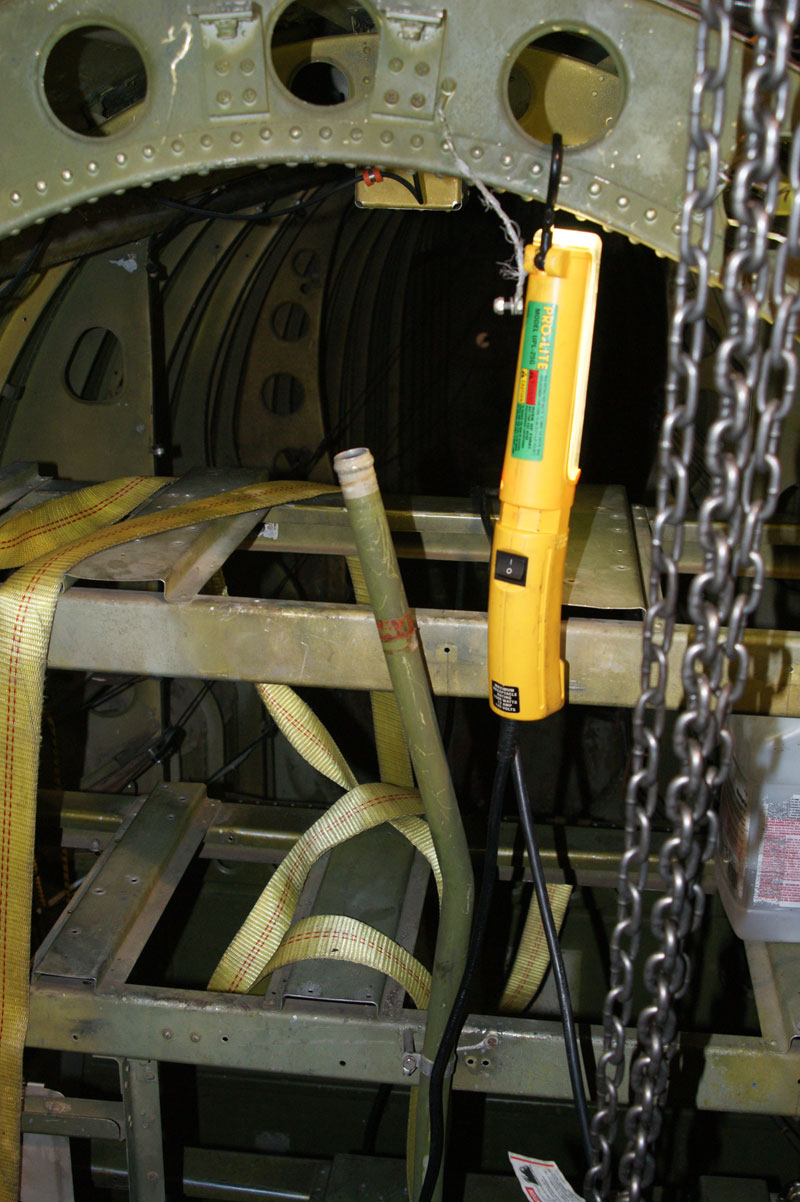
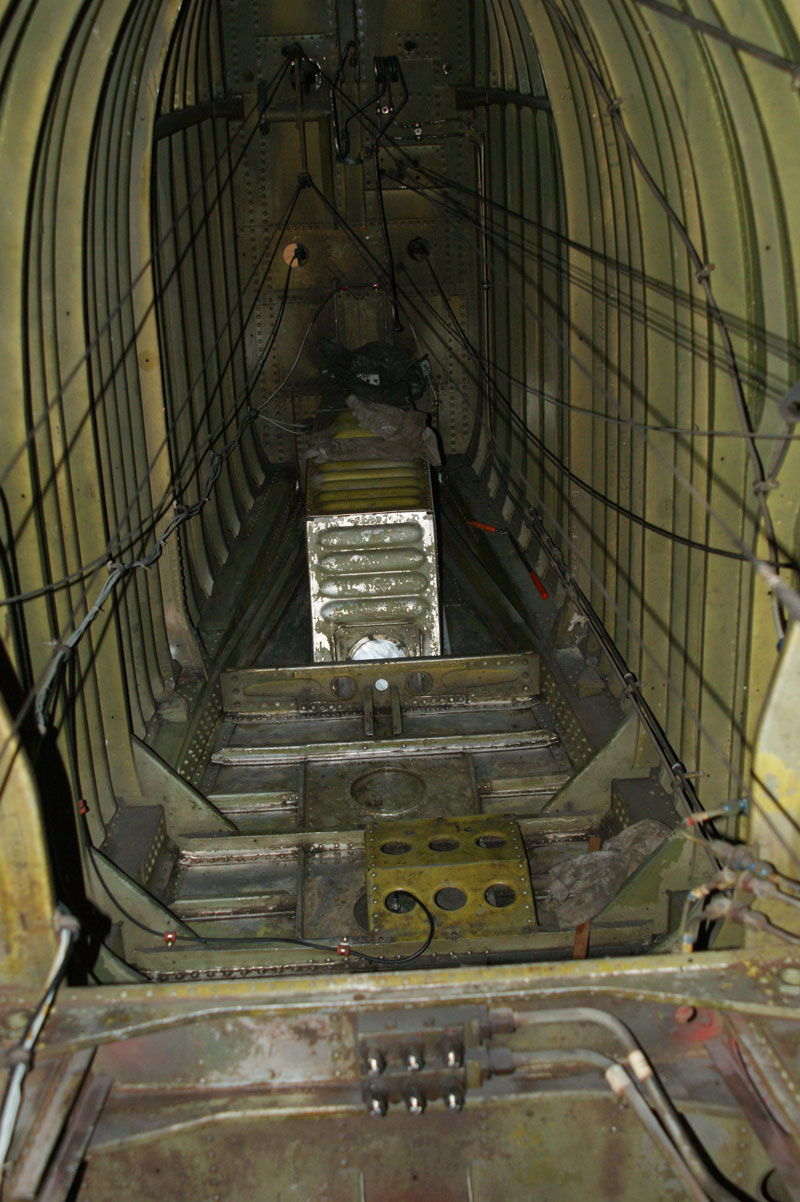
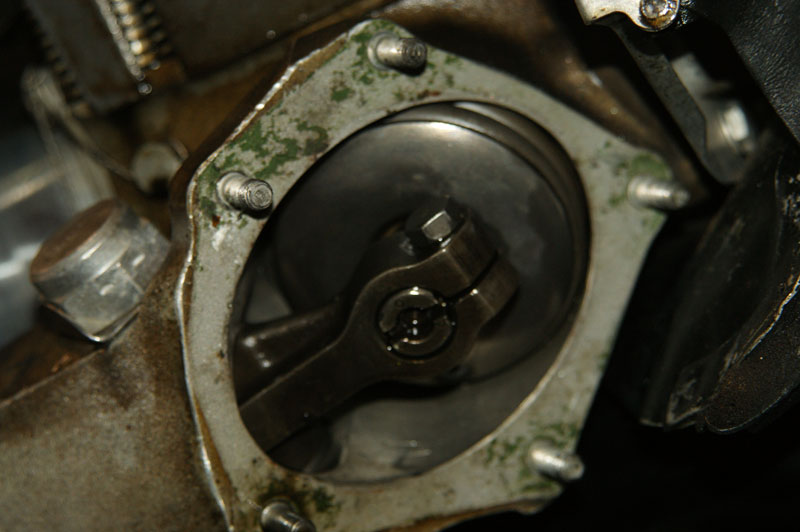
Maintenance Photos




Historical Photos
AVAILABILITY
Our AD-1 Skyraider is available for airshows and special events. For additional information, please contact us!